



Homeowners renovate for comfort and personal preference, but the bathroom is one space where resale value should always factor into the decision. Designing bathrooms with broad appeal requires a different mindset than designing purely for the current occupant. Contractors who understand this distinction bring more strategic value to their clients and consistently deliver results that hold up well beyond the project completion date.
Why Resale Value Starts With Designing Bathrooms Thoughtfully
Bathrooms rank among the highest-impact rooms in any home sale. Real estate professionals consistently point to kitchen and bathroom condition as the two factors that most influence buyer perception. A bathroom that looks dated, worn, or overly personalized can drag down an otherwise strong listing, while a clean, neutral, well-finished space moves buyers closer to an offer.
The challenge is that homeowners often want to express personal taste through their renovation choices. Bold tile patterns, unconventional color schemes, and niche fixtures can look striking to the current owner but narrow the pool of future buyers significantly. Contractors who can guide clients toward choices that balance personal satisfaction with broad market appeal are delivering a service that goes well beyond the physical work itself.
Neutral Finishes Perform Better Over Time
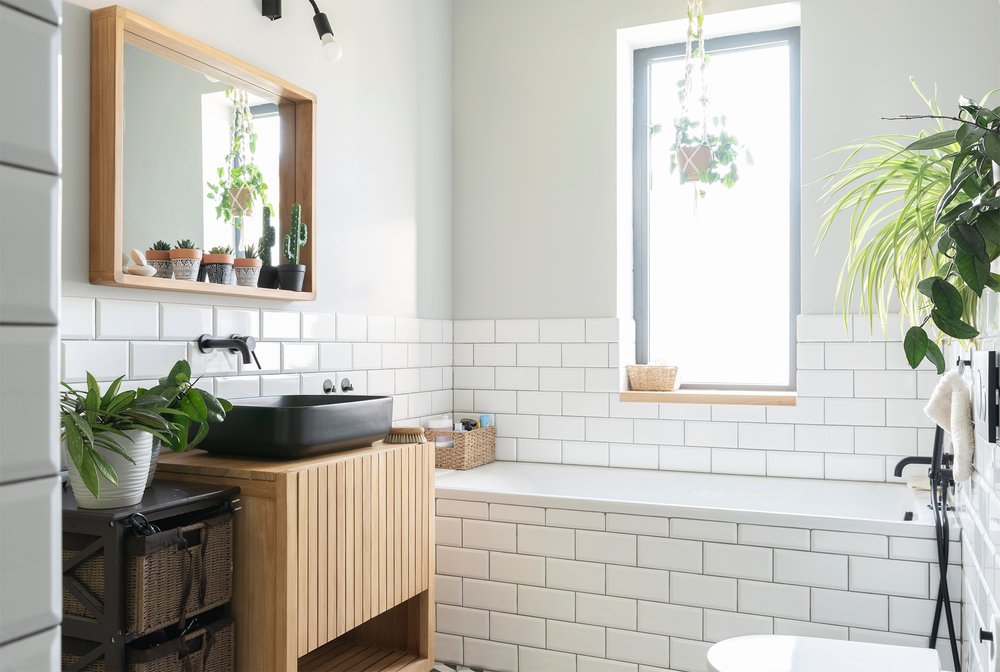
Color and finish selection are among the most consequential decisions in any bathroom renovation. Neutral tones, clean lines, and timeless material choices consistently outperform trend-driven selections when it comes to resale. A buyer walking into a bathroom with a fresh, neutral finish can picture themselves in the space far more easily than one confronted with a highly specific aesthetic.
This principle applies directly to surface refinishing. A bathtub or shower base that has been reglazed in a clean, neutral tone looks fresh and intentional rather than dated or worn. The finish signals that the space has been maintained and cared for, which matters to buyers who are evaluating how much work a home will need after purchase. Selecting the right color and finish during a reglazing job can meaningfully influence how a bathroom reads during a showing.
Durability Signals Quality to Future Buyers
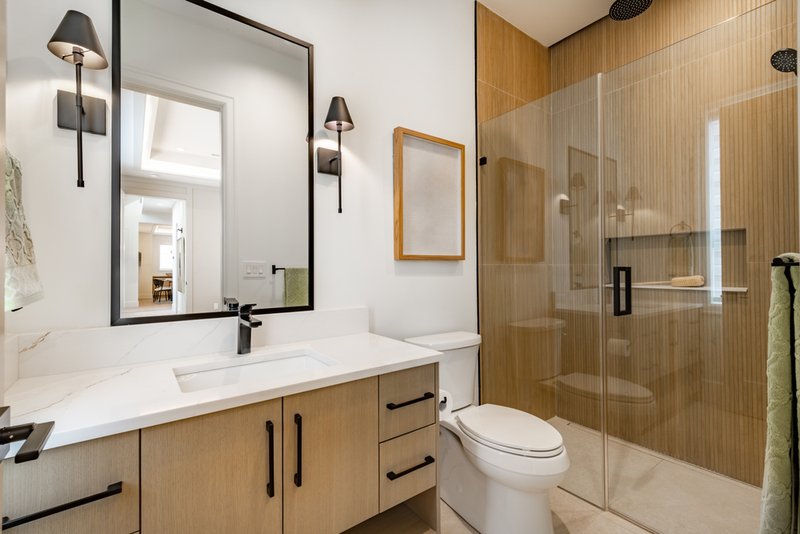
Buyers are not just evaluating how a bathroom looks. They are also assessing how long it will last before requiring work. Surfaces that show wear, cracking, or delamination signal deferred maintenance and raise questions about what else in the home may have been neglected. Durable finishes and materials communicate the opposite, and that perception carries real weight during negotiations.
When designing bathrooms for long-term value, the following surface qualities tend to carry the most weight with buyers:
- Moisture resistance: Surfaces that do not warp, swell, or delaminate over time signal a bathroom built to last.
- Clean seams and fitting: Wall systems that are precisely cut and fitted on-site project craftsmanship that buyers notice even without knowing why the space feels well-built.
- Finish integrity: Tubs and shower bases that show no cracking, peeling, or worn-through areas suggest the space has been properly maintained.
- Grout-free surfaces: Panel systems without grout lines eliminate one of the most common sources of long-term bathroom deterioration.
It is also worth keeping in mind that certain layout decisions made during renovation can be difficult and costly to reverse later, which makes getting the material and layout conversation right the first time especially important.
The Role of Cohesion in Buyer Perception
A bathroom that feels cohesive reads as professionally designed, even when the budget is modest. Buyers respond positively to spaces where the wall finish, tub surround, and fixtures work together as a unified whole. Spaces that feel pieced together from mismatched renovation decisions over the years tend to feel cluttered and unresolved, regardless of the quality of individual elements.
Achieving cohesion does not require a full gut renovation. Refinishing a worn bathtub or shower base to match the tone of a newly installed wall system can bring a bathroom together without replacing every fixture. This is one of the more cost-effective ways to elevate buyer perception, and it is a conversation that contractors can initiate when scoping a project. Clients who understand that cohesion drives perceived value are more likely to approve a fuller scope of work.
Low-Maintenance Finishes Widen Buyer Appeal
Modern buyers, particularly in the mid-to-upper price range, prioritize low-maintenance living. A bathroom that requires regular grout cleaning, resealing, or careful product selection to avoid surface damage is a liability in their eyes. Surfaces that are easy to clean and do not require specialized upkeep read as a benefit during the buying process.
Simulated tile wall systems and hard panel surrounds address this concern directly. Without grout lines to harbor mildew or porous surfaces that absorb staining agents, these materials stay cleaner with less effort. Reglazed tubs and shower bases offer a similar advantage when the work is done correctly. A smooth, properly cured glaze surface is far easier to maintain than a pitted, worn original finish.
Designing Bathrooms That Balance Personal Taste With Market Appeal
The most successful renovations find a middle ground between what the current owner loves and what the broadest range of future buyers will respond to. Steering clients away from overly personal choices does not mean delivering generic results. It means prioritizing materials, finishes, and layouts that age well and appeal across demographic lines.
A few principles that help strike that balance in practice:
- Favor timeless over trendy: Trend-driven choices date quickly and can feel out of place within a few years of installation.
- Choose surfaces that photograph well: Listings live online first, and clean, reflective surfaces read better in photos than heavily textured or patterned ones.
- Keep the palette cohesive: A two or three-tone color scheme across walls, fixtures, and surfaces reads as intentional and well-designed.
- Prioritize the tub and shower area: Buyers scrutinize wet areas closely, and a fresh, well-finished surround and tub make a strong first impression.
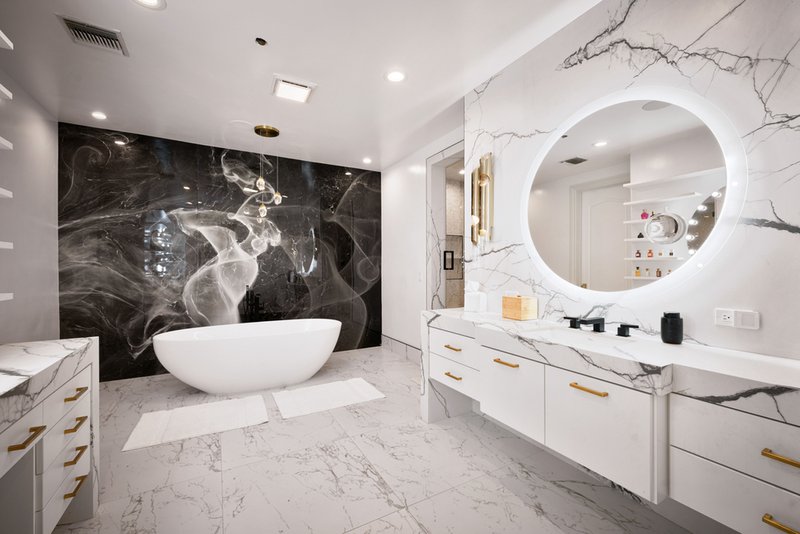
Stone-look panel surrounds deliver the elevated aesthetic that homeowners want without committing to the maintenance demands or higher cost of natural stone. Neutral reglazing tones on tubs and shower bases refresh the space without dating it. These are practical, strategic choices that serve the homeowner now and the buyer later.
Choosing the Right Products for Long-Term Value
Every material and finish decision made during a renovation either adds to or subtracts from the long-term value of the space. Contractors who approach designing bathrooms with resale in mind consistently produce work that clients appreciate long after the job is done.
At ISI Bathroom Systems, we supply the products that support this kind of strategic renovation work. Sentrel delivers a stone-look aesthetic through hard, rigid polystyrene panel surrounds that are custom-fitted and cut on-site. Our acrylic wall panels offer a durable, moisture-resistant wall solution suited to a wide range of bathroom projects.
Visit our shop to learn more about our products and offerings.


