



Bathroom renovations are becoming more strategic, with homeowners placing greater emphasis on performance, maintenance, and long-term value. Simulated tile has emerged as a leading alternative as more people move away from traditional tile installations that no longer align with these priorities.
While tile has long been associated with durability and visual appeal, real-world experience is shifting perceptions. Homeowners are recognizing the hidden challenges that come with tile, from ongoing maintenance to installation complexity and rising costs. These factors are driving demand for alternatives that deliver similar aesthetics with fewer complications.
Why Simulated Tile Is Replacing High-Maintenance Tile Surfaces
Maintenance is one of the most common reasons homeowners are rethinking traditional tile. Grout lines, while necessary for tile installation, often become a long-term liability.
Over time, grout can absorb moisture, trap dirt, and create an environment where mold and mildew can develop. Even with regular cleaning, maintaining a consistent appearance can be difficult. Discoloration, staining, and buildup are common issues that reduce the overall look of the bathroom.
Simulated tile panels eliminate many of these concerns by removing grout lines entirely. With fewer joints and a non-porous surface, these systems are easier to clean and maintain. Homeowners benefit from a cleaner appearance with less ongoing effort, which is becoming a key decision factor in material selection.
The Cost Difference Between Tile and Simulated Tile
Cost is another major factor influencing the shift away from traditional tile. While the material itself can vary in price, the total cost of a tile installation often extends far beyond the initial purchase.
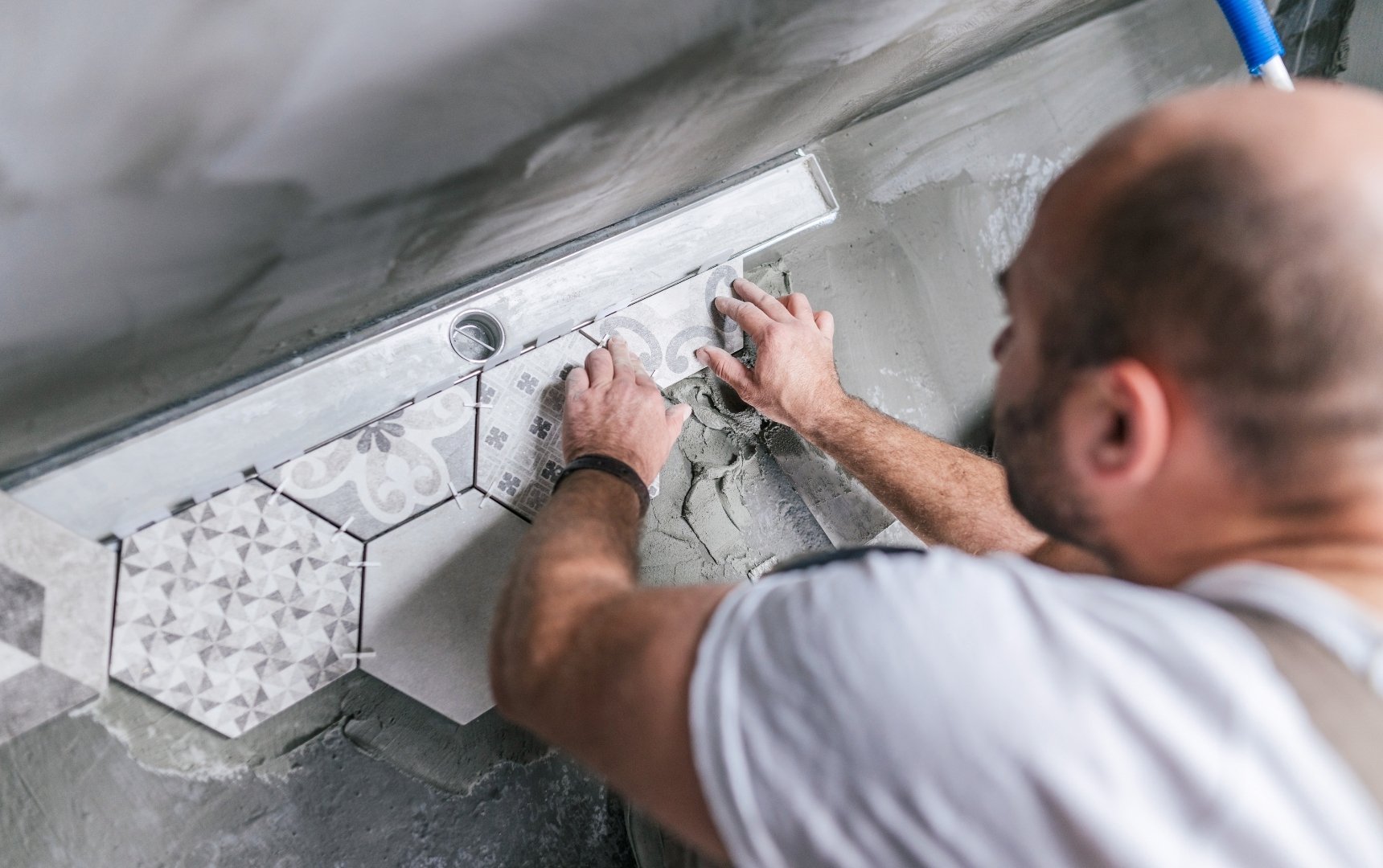
Labor is a significant contributor. Tile installation requires precise placement, spacing, grouting, and sealing, all of which add time and expense to a project. Unexpected issues during installation can further increase costs.

Simulated tile systems offer a more cost-effective alternative. Acrylic wall systems, in particular, mimic the look of real tile at a fraction of the cost. Because panels are manufactured to fit and install more efficiently, labor requirements are reduced, allowing contractors to complete projects faster and with greater predictability.
This combination of lower material costs and reduced labor makes simulated tile an appealing option for homeowners who want to manage their budget without compromising on appearance.
Why Installation Time Is Driving Demand
Installation timelines are becoming increasingly important in bathroom renovations. Homeowners often prefer projects that can be completed quickly, minimizing disruption to daily routines.
Traditional tile installations can take several days, depending on the scope of the project. Each step, from surface preparation to grouting and curing, adds time and introduces potential delays.
Simulated tile panels simplify this process. Panels are designed to be cut and placed efficiently, reducing the number of steps required for installation. This allows contractors to complete projects in a shorter timeframe while maintaining a consistent finish.
Faster installation benefits both contractors and homeowners. It improves workflow efficiency and reduces downtime, making simulated tile a practical choice for time-sensitive projects.
Modern Bathroom Design Preferences
Design preferences are evolving alongside material choices. Homeowners are looking for bathrooms that feel clean, cohesive, and easy to maintain, without sacrificing visual appeal.
Simplified layouts and consistent finishes are becoming more popular. Instead of complex tile patterns and multiple materials, many homeowners prefer a streamlined design that is easier to manage over time.
Contractors who recognize what homeowners value in their bathrooms can better align their recommendations with these preferences. Features such as durability, ease of cleaning, and a polished appearance are influencing both design and material selection.
Simulated tile supports this approach by offering a wide range of styles while maintaining a uniform finish. It allows homeowners to achieve a modern look without introducing unnecessary complexity.
When Simulated Tile Makes More Sense Than Real Tile
As awareness grows, more homeowners are open to alternatives that provide the same visual impact with fewer tradeoffs. Simulated tile is particularly effective in situations where maintenance, cost, and installation speed are key considerations.
Contractors who know when to use simulated tile instead of real tile are better positioned to guide clients toward practical solutions. These scenarios often include high-moisture environments, rental properties, and projects with tight timelines.

In addition to acrylic wall systems, Sentrel wall systems offer another option for homeowners seeking a high-end look. Sentrel is designed to replicate the appearance of natural stone, providing a luxurious finish without the added weight, cost, or installation challenges of real stone.
This flexibility allows contractors to tailor their recommendations based on project requirements while still delivering a visually appealing result.
Why Simulated Tile Aligns with Long-Term Value
Homeowners are placing greater emphasis on long-term performance when selecting materials. This includes durability, resistance to wear, and the ability to maintain a consistent appearance over time.
Simulated tile systems address these concerns by offering surfaces that resist moisture, staining, and everyday wear. Without grout lines to maintain, the risk of mold and mildew is significantly reduced.
For contractors, this translates to fewer callbacks and more satisfied clients. Materials that perform consistently over time help build trust and reinforce the value of the renovation.
Why Simulated Tile Continues to Gain Momentum
The shift away from traditional tile is being driven by practical considerations. Maintenance challenges, rising costs, and longer installation timelines are leading homeowners to explore alternatives that better align with their needs.
Simulated tile has gained traction because it addresses these concerns directly. Acrylic wall systems replicate the look of tile while simplifying installation and reducing maintenance. Sentrel wall systems extend these benefits by offering the appearance of natural stone at a more accessible cost.
Here at ISI Bathroom Systems, we support this shift by producing our own acrylic simulated tile wall systems and accessories using advanced thermoforming technology. This allows us to maintain consistent quality while offering products at competitive price points, helping contractors deliver reliable results across a range of projects.
Visit our shop to explore additional solutions designed to support modern bathroom renovations.


