



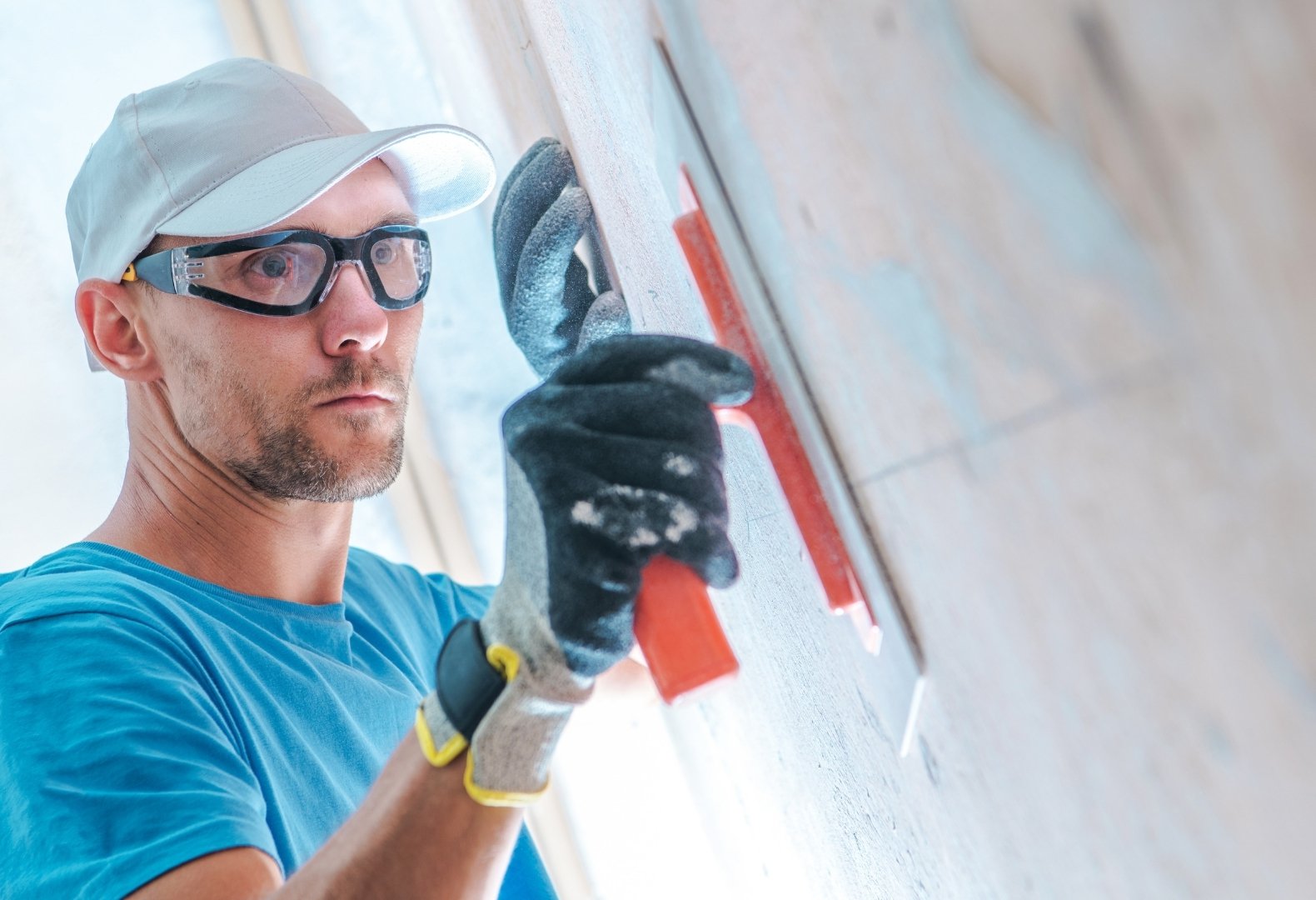
Proper tool maintenance is critical for efficiency, safety, and long-term performance when installing wall systems. Maintaining cutting tools, measuring devices, power tools, and surface prep equipment ensures that each installation runs smoothly, panels fit correctly, and finished surfaces meet the high standards expected by homeowners. A well-maintained toolkit not only reduces downtime but also protects investments in specialized tools used for acrylic walls and simulated tile panels.
Why Regular Tool Maintenance Matters in Wall Systems Installation
Consistently inspecting and maintaining tools prevents damage to expensive wall systems. Dull blades, worn drill bits, or misaligned measuring devices can cause inaccurate cuts or uneven panel placement, which compromises both aesthetics and structural integrity. Preventive maintenance also extends the lifespan of tools, minimizes repair costs, and reduces the risk of on-site accidents. For contractors who handle multiple jobs weekly, these benefits translate into more predictable project timelines and higher-quality results.
Cutting and Trimming Tools
Cutting tools are essential when custom-fitting wall systems onsite. Shears, angle grinders, and hole saws must remain sharp and free of rust. Key practices include:
- Cleaning blades after each use to remove adhesive residue and dust
- Lubricating moving parts to maintain smooth operation
- Inspecting for nicks, cracks, or bending before every job
- Replacing worn or damaged blades immediately
Properly maintained cutting tools prevent panel chipping and uneven edges, which ensures a seamless installation when working with rigid polystyrene panels like acrylic walls or simulated tile panels. A clean, sharp tool also reduces the effort required by the installer, improving efficiency and reducing fatigue during long projects.

Measuring and Templating Tools
Accurate measurements are critical to achieving a professional finish. Tape measures, squares, laser levels, and marking devices should be regularly calibrated and inspected. Simple maintenance practices include:
- Wiping tape measures and laser guides to remove dust and adhesive buildup
- Checking laser levels for alignment accuracy
- Replacing worn or faded marking pens to ensure clear lines on panels
Accurate templating prevents gaps between panels and ensures that corner cuts, outlets, and transitions align perfectly. Maintaining these tools saves time during installation and reduces the risk of costly adjustments or panel replacements.
Power Tools for Panel Installation
Power tools like drills, impact drivers, and rotary tools play a central role in wall system installation. Maintaining these tools ensures consistent torque, prevents overheating, and extends the motor's life. Maintenance practices include:
- Inspecting cords and batteries for damage before each use
- Cleaning dust from vents and motor housings
- Tightening loose screws or attachments
- Regularly checking chuck and bit compatibility
A reliable power tool setup minimizes delays caused by unexpected malfunctions and allows installers to maintain steady productivity across multiple jobs, whether fitting acrylic panels or simulated tile systems.
Adhesive and Fastening Tools
Installation of wall systems often relies on adhesives, caulking guns, and fastening tools. Proper maintenance ensures even application and strong adhesion. Steps to maintain these tools include:
- Flushing caulking guns after use to prevent clogs
- Keeping adhesive cartridges sealed when not in use
- Checking plunger mechanisms and triggers for smooth operation
Well-maintained adhesive tools improve panel bonding and reduce the likelihood of misaligned or loose panels. This is particularly important when installing panels over pre-existing surfaces, where precision and secure adhesion are critical.
Safety and Ventilation Equipment
Maintaining respirators, dust masks, gloves, goggles, and ventilation systems ensures both installer safety and the quality of finished wall systems. Practices include:
- Inspecting masks and respirators for cracks or worn straps
- Cleaning or replacing filters according to manufacturer recommendations
- Ensuring exhaust fans and ventilation hoses remain unobstructed
Safe, properly ventilated workspaces protect installers from dust and chemical exposure while also keeping panels free of debris or contamination during installation.

Cleanup and Surface Prep Tools
Tools used for cleaning and surface preparation, such as scrapers, sanding blocks, and sponges, play a crucial role in wall system performance. Regular maintenance includes:
- Replacing worn scrapers to avoid scratching panels
- Keeping sanding blocks smooth and free of residue
- Thoroughly cleaning sponges and cloths between jobs
Effective surface prep ensures adhesives, primers, and finishes bond correctly. For acrylic and simulated tile panels, proper prep prevents delamination and guarantees a uniform finish across all surfaces.
Scheduling Regular Maintenance
Contractors can benefit from creating a maintenance schedule that includes daily, weekly, and monthly checks. A structured routine ensures tools are always ready for use and reduces the likelihood of last-minute repairs. Daily tasks can include cleaning blades and wiping down measuring devices, while weekly checks might focus on battery health, calibration, and lubrication. Monthly inspections could cover detailed motor maintenance, cord replacements, and overall tool performance review. This approach keeps operations smooth and reduces the risk of project delays.
Maintaining Tools to Protect Wall System Installations
Consistent tool maintenance enhances productivity, quality, and safety when installing wall systems. Keeping cutting tools, power tools, measuring devices, adhesive tools, and safety equipment in optimal condition ensures accurate panel placement, strong adhesion, and reliable long-term results. By integrating a proactive maintenance routine, contractors can improve efficiency, minimize errors, and deliver superior finishes for acrylic walls and simulated tile installations.
Visit our shop to learn more about our products and offerings.


