




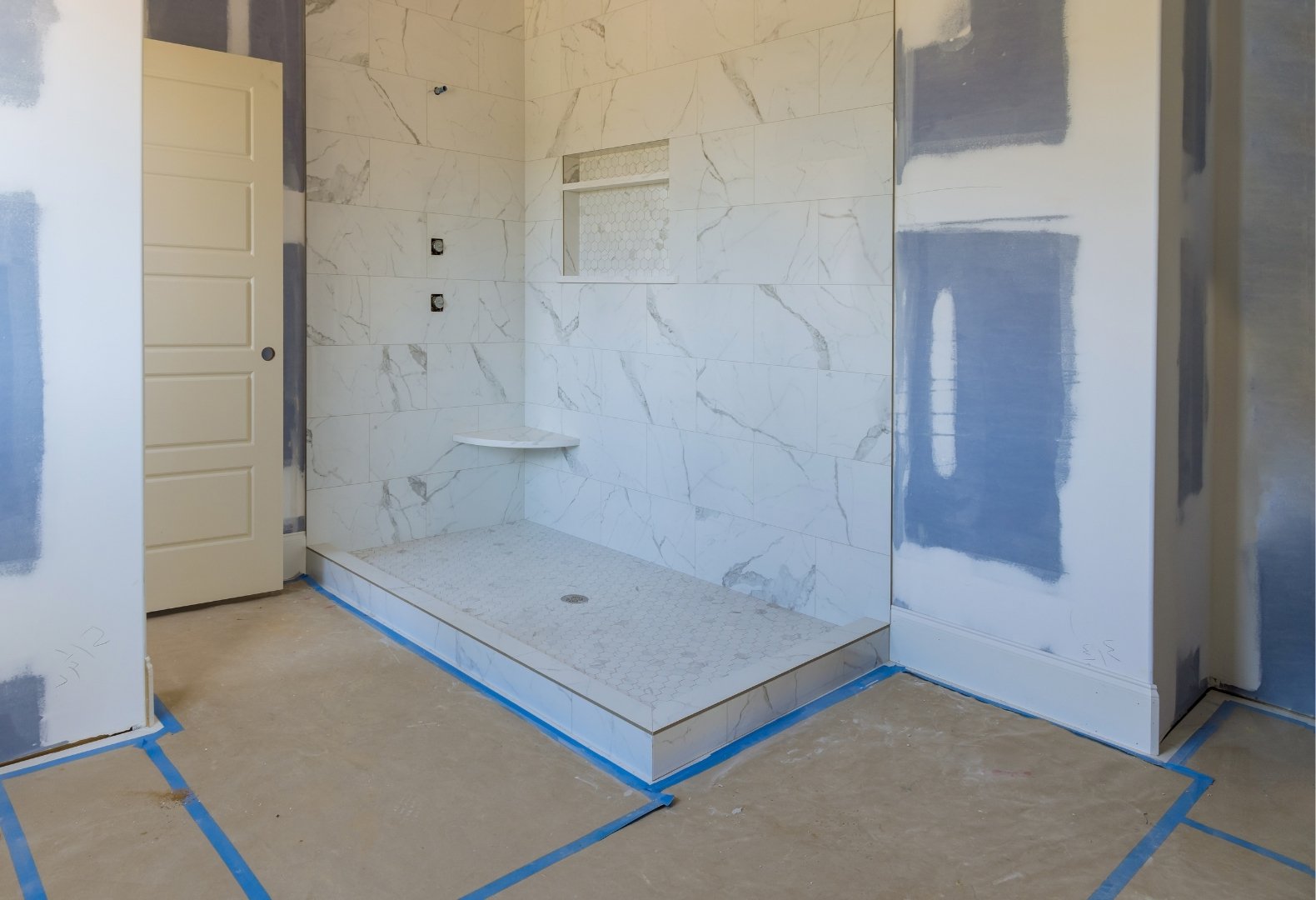
The success of acrylic wall systems depends as much on what happens before installation as what happens during it. Many performance failures traced in bathrooms, such as bubbling, lifting panels, or visible seams, do not result from product defects but from surface preparation errors. Acrylic wall systems are precision-engineered to form a watertight, seamless enclosure, yet they can only perform to that standard when installed on properly prepared substrates. Even the most advanced material cannot compensate for poor adhesion or an uneven wall.
Preventing delamination begins long before the adhesive is applied. It requires a disciplined approach to wall prep that respects both the material and the environment in which it will be used. When done correctly, the installation bonds perfectly and resists the daily challenges of moisture, temperature, and wear.
The Hidden Consequence of Poor Wall Preparation
Delamination refers to the separation between the acrylic panel and its substrate. It may start as a small air pocket but can expand over time, leading to bulging panels and water infiltration behind the wall. Once moisture finds its way between layers, the problem compounds. Adhesive loses strength, mold may develop, and repairs become more invasive.
In most cases, delamination originates from surface contaminants, high humidity at installation, or insufficient contact between adhesive and wall. Acrylic wall systems rely on total surface adhesion to distribute weight evenly across each panel. When the wall substrate is uneven or dusty, adhesive gaps form. Those small voids break the bond and allow movement, which eventually leads to failure.
Why Flatness and Cleanliness Matter When Installing Acrylic Wall Systems
For acrylic wall systems, a stable and perfectly flat substrate is the foundation of lasting adhesion. Even small deviations can cause visible ridges or lifting after installation. Before setting panels, installers must inspect the wall for dips, high spots, and irregularities. Sanding down raised areas and filling low spots ensures a smooth surface for consistent contact.

Cleanliness is equally critical. Dust, drywall powder, or soap residue left behind from demolition can act as a barrier between the adhesive and wall. A quick wipe-down with a damp cloth may not be enough. Walls should be cleaned using the manufacturer’s recommended cleaner or isopropyl-based solution to remove all contaminants. Once clean, surfaces must be completely dry before adhesive application.
Moisture Control and Temperature Considerations
Humidity and temperature directly influence how adhesives cure. High moisture in the substrate or ambient air can prevent full bonding. In bathrooms, where humidity levels are naturally elevated, installers must account for this before applying acrylic panels. The substrate should be fully dry, and the adhesive should not be applied in conditions that exceed recommended humidity thresholds.
Temperature also affects adhesion. When acrylic wall systems are installed in cold environments, the adhesive may stiffen, reducing spreadability and tack. Allowing materials and the workspace to reach room temperature before installation ensures proper bonding strength. Controlled conditions create a more predictable and stable curing process.
Adhesive Application and Pressure Distribution
Even coverage of adhesive is essential to prevent delamination. Applying too little can create hollow spots, while applying too much can trap air and delay curing. Installers should follow the manufacturer’s specified pattern, maintaining consistent bead spacing for uniform support. Once positioned, the panel must be pressed firmly across its entire surface to distribute the adhesive evenly.
Using a roller to apply consistent pressure is one of the most effective ways to ensure full contact. This technique prevents future voids that lead to delamination. Working methodically from the center outward allows air to escape and ensures the bond sets evenly.
Wall Preparation for Seamless Corners and Transitions
Corners and seams are natural stress points in any wall system. If the substrate behind them is uneven or contains buildup from old adhesive, the trim and panels will not sit flush. Acrylic wall systems depend on tight seams to remain waterproof, so preparing corners with precision is crucial.
Remove all remnants of old caulk or sealant and confirm that adjoining walls meet consistently. For projects involving acrylic wall systems or panels, accurate cutting and alignment ensure clean transitions that maintain both strength and appearance. Neglecting this step can lead to tension between panels, eventually pulling one away from the surface and starting the delamination process.

Common Red Flags Before Installing Acrylic Wall Systems
Several signs often indicate poor wall preparation before the first panel is applied:
- Visible drywall damage or patched areas not fully cured
- Uneven surfaces that cause panel edges to rock or lift
- Residual adhesive from previous installations
- Damp or soft substrate material
- Improper wall temperature during installation
Addressing these issues early eliminates the root causes of delamination. Rushing through prep work may save minutes on installation day, but can cost hours in rework or callbacks later.
Building Long-Term Stability with Proper Acrylic Wall Systems Prep
The performance of acrylic wall systems depends on stable adhesion and a well-prepared substrate. A small investment in inspection, cleaning, and conditioning prevents most failures that occur months down the line. High-quality panels can only deliver their full benefit when they bond securely to a surface that supports them evenly.
Strong adhesion is not only a matter of following procedure, as it also reflects the installer’s craftsmanship and respect for the material. Each stage of preparation, from cleaning to curing, contributes to a finished wall system that looks professional and endures years of daily use. When installers commit to these practices, they eliminate the need for unnecessary repairs and uphold the integrity of every bathroom they build.
For high-performance acrylic walls, simulated tile panels, and accessories engineered for precision installations, visit our shop to learn more about our products and offerings.


