



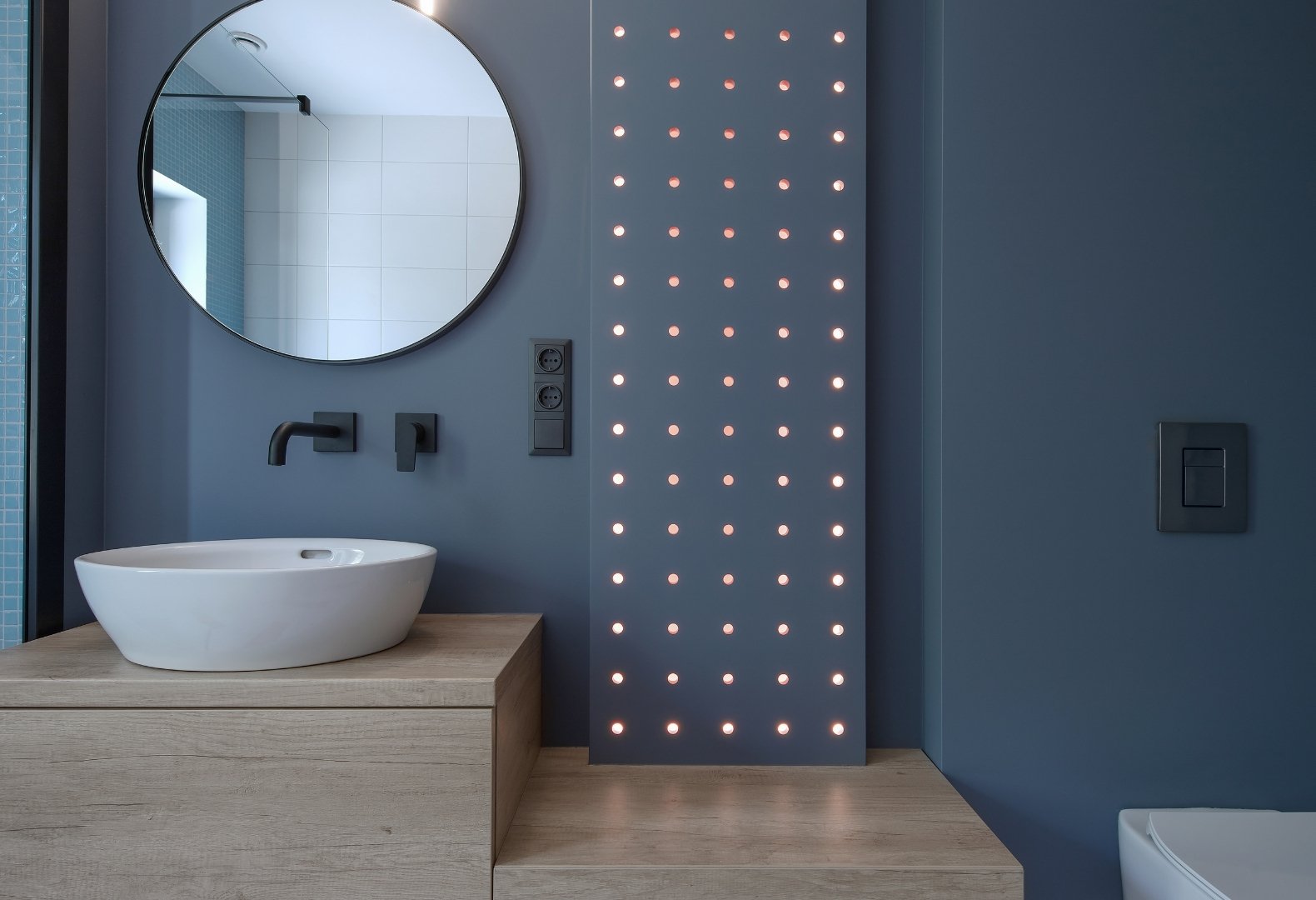
Cold weather often leads to higher household expenses, but thoughtful planning can help keep energy and water costs under control. Bathroom design trends have shifted strongly toward sustainability, blending efficiency with style to create spaces that are both practical and visually appealing.
From eco-friendly fixtures to natural materials that insulate effectively, these design choices are reshaping what it means to have a comfortable and cost-conscious bathroom during the winter season.
Bathroom Design Trends That Reduce Winter Water Costs
Water efficiency remains one of the most important bathroom design trends. Low-flow toilets and dual-flush systems have evolved to use significantly less water per flush without sacrificing performance. Modern faucets with aerators provide strong pressure while reducing flow, helping homeowners save with every use.
Showerheads are another area where sustainable design has advanced. Eco-flow showerheads now balance comfort with conservation, allowing users to enjoy long, warm showers in the colder months without wasting excess water. As hot water consumption tends to rise during winter, these upgrades can substantially lower both water and heating bills.
Contractors who emphasize these water-saving innovations not only help clients cut costs but also highlight their expertise in creating future-ready spaces.

Energy-Saving Lighting in Bathroom Design Trends
Lighting plays a surprisingly large role in utility bills, particularly in the winter when natural daylight hours are shorter. Bathroom design trends increasingly feature LED lighting as the go-to choice for energy efficiency. LEDs consume a fraction of the electricity of older bulbs and have much longer lifespans, which reduces both power bills and replacement costs.
Layered lighting has also become popular, combining overhead fixtures, task lights around mirrors, and accent lighting in niches or showers. Using LEDs within these systems creates both functional and aesthetic benefits. Adding smart controls, such as motion sensors or dimmers, ensures lights are only in use when needed, which further supports cost reduction during high-use periods.
Heating Innovations for Comfortable Winters
Bathrooms that are poorly insulated can feel especially cold in the winter months. Heated flooring has become one of the most desirable bathroom design trends because it delivers comfort while also saving energy. These systems provide targeted warmth, which reduces reliance on central heating and can lead to lower household energy use overall.
Towel warmers also serve as efficient supplemental heating sources. They keep towels dry and cozy while helping small bathrooms retain heat. Ventilation systems designed with heat recovery technology further enhance efficiency, reducing moisture without allowing valuable warmth to escape.
Together, these upgrades provide a significant improvement in comfort while directly addressing seasonal energy costs.
Natural Materials That Improve Insulation
Bathroom design trends increasingly emphasize the use of natural and engineered materials that offer both durability and energy efficiency. Wall panels, composites, and eco-friendly surface options often retain heat better than traditional materials. They also require less maintenance and last longer, providing financial and environmental benefits.
Windows and skylights with modern glazing technologies improve insulation while still allowing natural light into the bathroom. Reducing reliance on artificial light during the day has a measurable impact on winter electricity bills. Homeowners appreciate the balance of style, comfort, and savings that come with these material choices.
Smart Technology in Bathroom Design Trends
Smart technology is rapidly shaping the future of bathroom design trends. Digital shower systems allow users to set precise temperatures, reducing water waste while waiting for the right conditions. Heated mirrors prevent fogging and eliminate the need for excess ventilation, while occupancy sensors automatically control lights and heating elements.

These systems bring precision to resource management, ensuring water and energy are only used when necessary. For homeowners who want both luxury and efficiency, smart technology creates a bathroom environment that adapts to individual needs without driving up winter bills.
Long-Term Value of Sustainable Bathroom Design
While the upfront investment in sustainable bathroom design trends may appear higher, the payoff comes in reduced winter utility bills and minimized repair costs over time. Durable acrylic wall systems and stone-look alternatives, paired with efficient lighting, heating, and plumbing solutions, create a bathroom environment that is resilient, stylish, and highly functional.
For contractors, offering wellness-oriented and sustainable bathroom remodels provides a strong competitive advantage. These upgrades not only align with market demand but also position them as trusted partners in delivering forward-thinking solutions.
Sustainability That Pays Off
Sustainable bathroom design trends highlight how efficiency, comfort, and aesthetics can work together to save on winter utility bills. Water-efficient fixtures, LED lighting, smart heating, and panels that resemble natural stone are setting the standard for environmentally responsible and cost-conscious upgrades. These choices allow homeowners to enjoy elevated comfort while making practical investments in their property.
At ISI Bathroom Systems, we provide solutions that support these modern design needs. Our offerings help professionals deliver bathrooms that are efficient, durable, and aligned with current sustainability expectations. Visit our shop to explore how we can help you bring comfort, savings, and eco-conscious design into your next project.


