



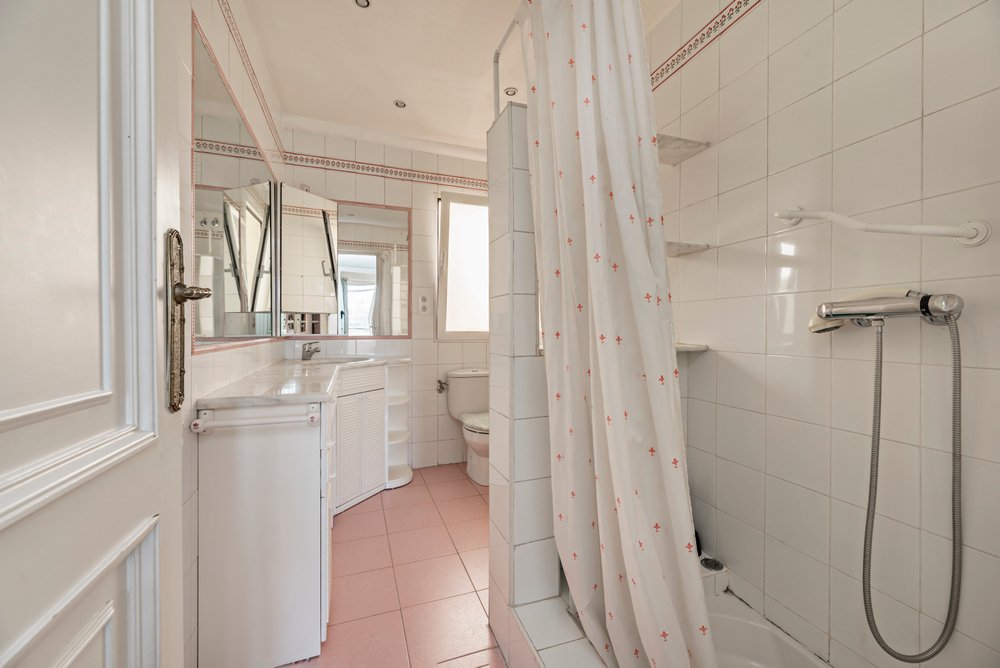
The 1990s left a very specific mark on residential bathrooms. Almond and bisque fixtures, pastel tile, bulky surrounds, and heavy brass hardware defined the era, and millions of those bathrooms are still in use today. Bringing them up to modern bathroom design standards without tearing everything out is a challenge that renovation professionals are increasingly being asked to solve. The good news is that a full demolition is rarely necessary to achieve a result that looks and performs like a current-day renovation.
Why Full Demolition Is Often the Wrong Call
Demolition is disruptive, expensive, and time-consuming. It generates debris that needs to be removed, exposes substrate conditions that may require additional remediation, and extends the project timeline in ways that affect both the client and the contractor's schedule. For a bathroom that is structurally sound but visually dated, tearing everything out often destroys perfectly serviceable infrastructure in the name of aesthetics.
The better approach is to assess what is worth keeping and what needs to change. In most 1990s bathrooms, the plumbing layout, subfloor, and wall framing are in adequate condition. What dates the space is the surface layer: the color of the fixtures, the tile on the walls, and the finish on the tub or shower base. Addressing those surfaces strategically delivers a result that reads as a full renovation at a fraction of the cost and timeline.
Reglazing as a Foundation for Modern Bathroom Design
The bathtub or shower base is often the first thing a person sees when they walk into a bathroom. In a 1990s renovation, that fixture is likely a dated color, worn down from decades of use, or both. Replacing it means demolition, plumbing work, and a significantly expanded project scope. Reglazing addresses the visual and functional problem without any of that disruption.
A professionally reglazed tub or shower base in a clean, contemporary tone resets the visual starting point of the entire bathroom. Neutral whites, soft greys, and warm off-whites immediately shift the space away from the dated palette that defines 1990s fixtures.
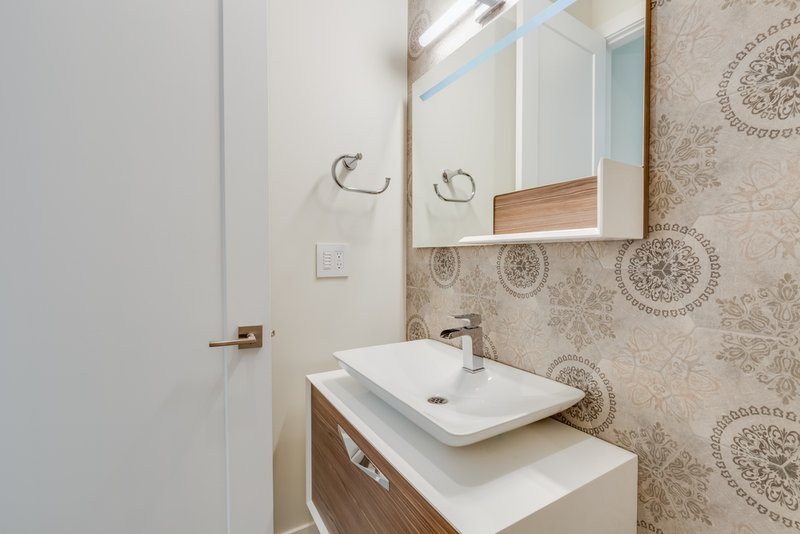
The finish, when applied correctly with proper surface preparation and the right primer and topcoat system, bonds durably and holds up under daily use. A single reglazing visit can transform the fixture that anchors the bathroom without touching the plumbing, the floor, or the walls.
Replacing Wall Surrounds Without Touching the Substrate
Wall tile from the 1990s presents a specific challenge. The colors and patterns are often the most visually dated element in the bathroom, but tile removal is labor-intensive and carries a real risk of damaging the substrate behind it. In many cases, the more efficient solution is to install a new wall system directly over the existing surface, eliminating the removal step entirely where substrate conditions allow.
Hard, rigid panel wall systems are particularly well-suited to this approach. They go up cleanly, require precise on-site cutting and fitting to achieve a professional result, and deliver a surface that resists moisture and daily wear without grout lines or the maintenance demands of traditional tile. The visual result is a clean, contemporary wall finish that makes the dated tile beneath it irrelevant.
For clients who want a stone-look aesthetic, panel surrounds that mimic natural materials achieve that result without the cost or upkeep of real stone. Professionals who have worked through common fit and finish challenges with wall system installations know that precise measurement and on-site fitting are what determine whether the finished result looks seamless or amateur.
Addressing Dated Tile on Tub Surrounds and Shower Bases
Beyond wall surfaces, tile that lines the tub surround or covers a shower base is another common relic of 1990s bathroom design. Grout that has darkened over decades, tile in colors that no longer read as neutral, and surfaces that have accumulated wear all contribute to the dated feel of the space. Where the tile is on a tub surround or shower base and is in sound condition, reglazing is a practical option that sidesteps removal entirely.
Tile reglazing follows the same preparation principles as tub and shower base work. The surface must be thoroughly cleaned, deglossed, and primed. The result is a unified surface color that eliminates the visual noise of discolored grout and dated tile tones. Done correctly, it produces a finish that is difficult to distinguish from a full replacement at a significantly lower cost and with far less disruption to the project timeline.
Updating the Space With Simulated Tile and Stone-Look Finishes
One of the defining characteristics of modern bathroom design is the preference for clean, large-format surfaces over the busy, small-format tile patterns common in 1990s bathrooms. Simulated tile wall systems address this directly. They deliver the clean lines and contemporary aesthetic that current design preferences favor without requiring a full tile removal and reinstallation process.
Stone-look panel systems achieve a similar effect for clients who want a more elevated finish. The hard panel surface reads as sophisticated and current, and because it requires no grout maintenance and resists moisture effectively, it performs better over time than the surfaces it replaces.
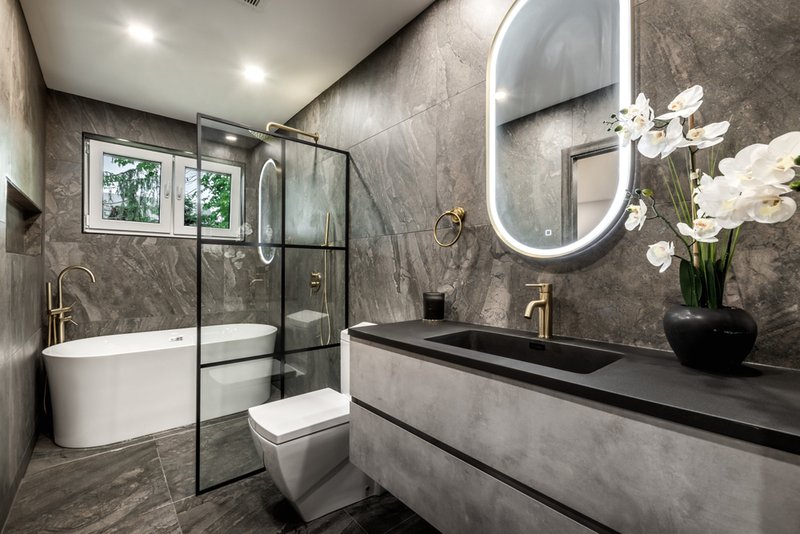
These options give renovation professionals a practical toolkit for transforming a dated bathroom into a space that meets modern expectations without the scope creep and budget expansion that full demolition brings with it.
Sequencing the Work for Maximum Impact in Modern Bathroom Design
The order in which surfaces are addressed matters. Starting with the walls and surround before moving to the tub or shower base ensures that any debris or overspray from wall work does not contaminate a freshly reglazed fixture. Completing reglazing last also allows the wall system installation to define the color tone of the space, which informs the most appropriate glaze color for the tub or base.
A clear sequence also makes the project easier to communicate to the client. When the scope is broken into discrete phases with defined outcomes at each stage, clients can see progress and understand what is happening.
This reduces the anxiety that often comes with renovation work and builds the kind of trust that generates referrals. Keeping the job on a tight and predictable schedule is one of the most reliable ways to leave a client satisfied, regardless of project size.
The Right Products for a No-Demolition Modernization
Bringing a 1990s bathroom into the current era without full demolition is a matter of choosing the right surfaces, sequencing the work correctly, and applying materials that perform under real-world conditions.
At ISI Bathroom Systems, we distribute TopKote products for professional reglazing on bathtubs, shower bases, and tile surfaces. We also supply acrylic walls and simulated tile made from hard, rigid polystyrene panel surrounds that are custom-fitted and cut on-site.
Visit our shop to learn more about our products and offerings.


