




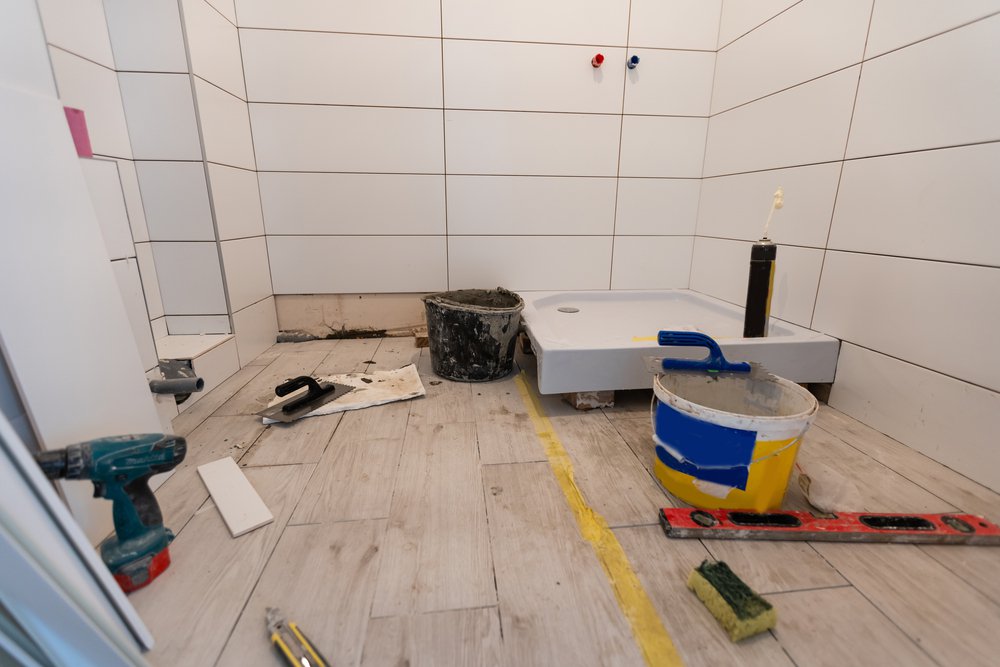
Time is the one resource that cannot be recovered once it is lost on a job. Inefficiencies that seem minor in isolation add up quickly across bathroom renovation projects, eroding margins and pushing schedules in ways that are difficult to explain to clients. Identifying where time actually goes, rather than where it appears to go, is one of the most practical things a renovation professional can do to improve overall performance.
1. Rushing the Site Assessment
The job begins before anyone sets foot on the worksite with tools in hand. A rushed or incomplete site assessment creates a chain of downstream problems that cost far more time than the assessment itself would have taken. Substrate conditions, existing moisture issues, surface contamination, and access constraints all need to be evaluated before materials are ordered or schedules are committed to.
Professionals who skip thorough pre-job assessment often find themselves making unplanned supply runs, waiting on decisions that should have been made earlier, or reworking surfaces that were not properly evaluated the first time.
A structured site walkthrough that covers substrate condition, ventilation, water shutoff access, and surface history takes a fraction of the time it saves. Building this step into every project intake process is one of the simplest ways to protect the schedule.
2. Reactive Material and Supply Ordering
Material delays are among the most common sources of lost time on renovation jobs, and many of them are preventable. Ordering materials without confirming lead times, relying on a single supplier without a backup, or failing to check stock availability before scheduling a job all introduce waiting time that falls entirely on the contractor to absorb. A day lost waiting for a wall panel or a reglazing component is a day that cannot be billed.
Keeping a reliable inventory of consumables and frequently used supplies reduces this risk significantly. Adhesive, caulk, application tools, and safety equipment should be stocked proactively rather than ordered reactively. For less common materials, confirming availability before locking in a job date is a straightforward habit that prevents the kind of schedule disruption that damages client relationships and compresses future bookings.
3. Cutting Corners on Surface Preparation
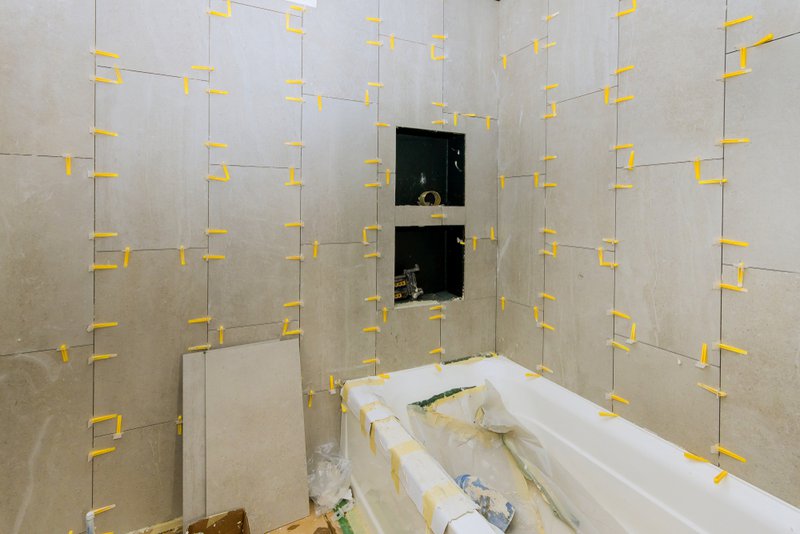
Cutting corners on surface preparation is one of the most expensive time-saving attempts a renovation professional can make. What looks like an hour saved at the start of a job often becomes a full day of rework at the end. Surfaces that have not been properly cleaned, deglossed, or dried before application will compromise adhesion, finish quality, and longevity regardless of how good the materials are.
This is particularly consequential in reglazing work, where surface preparation directly determines whether the finish bonds correctly and holds over time. Rushing through prep to hit a time target introduces risk that shows up later as peeling, delamination, or finish failure, all of which cost significantly more time to address than the prep would have taken.
4. Unmanaged Scope Creep in Bathroom Renovation Projects
Scope creep is a time drain that is easy to overlook because each individual addition seems small in the moment. A client asks for one extra area to be addressed. A previously undiscussed fixture gets added to the job. A change to the original plan requires materials that are not on site. Each of these adjustments carries a time cost that is rarely accounted for when the original schedule was built.
Establishing a clear scope of work before the job begins, and following a consistent change order process when that scope shifts, keeps the schedule honest. Verbal agreements made on-site have a way of expanding over the course of a project without any corresponding adjustment to the timeline or budget. Professionals who document changes as they occur avoid the end-of-job confusion that leads to disputes, unpaid time, and the kind of project drag that bleeds into subsequent bookings.
5. Improvised Tool and Product Setup
Time spent searching for tools, mixing materials in the wrong sequence, or setting up equipment without a clear workflow is time that produces nothing. On a well-run job, the setup phase follows a consistent order that every person on site understands before work begins. When setup is improvised each time, small inefficiencies accumulate into meaningful delays across the course of a day.
Spray equipment for reglazing work benefits particularly from a standardized setup and testing routine. Gun calibration, fluid tip selection, air pressure settings, and material viscosity checks should all happen before the job starts rather than being adjusted reactively once application is underway.
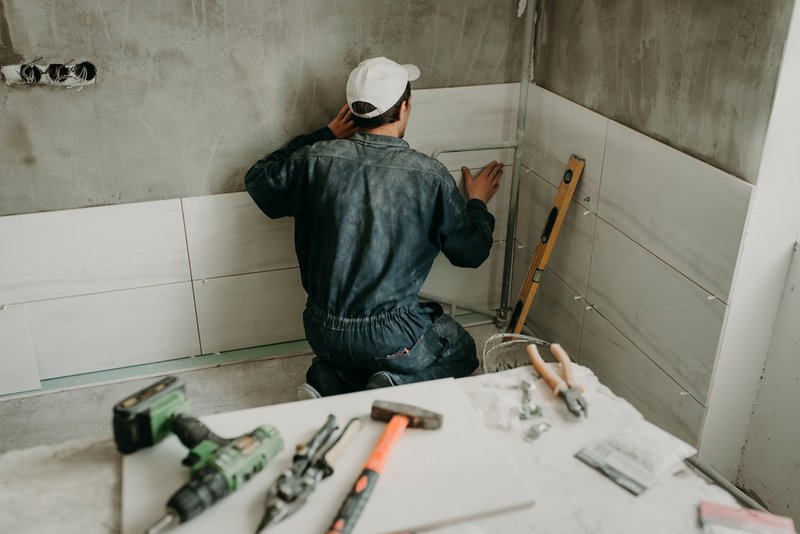
An equipment issue discovered mid-application is far more disruptive than one caught during setup. Contractors who build disciplined pre-job routines consistently finish bathroom renovation projects faster than those who treat setup as informal.
6. Skipping the Pre-Completion Inspection
Few things drain time from a renovation business more reliably than callbacks. A callback consumes travel time, materials, and labor on a job that has already been invoiced, and it typically happens at the worst possible moment when the schedule is already full.
Most callbacks trace back to a small number of recurring causes: inadequate surface prep, incorrect material application, missed moisture issues, or finish defects that were visible at completion but not addressed before handoff.
Building a pre-completion inspection into every job creates a checkpoint that catches these issues before the client does. Reviewing finish quality, checking seam integrity on wall systems, and confirming that all surfaces have cured properly before signing off adds a small amount of time to every job but eliminates the far greater time cost of returning later.
Choosing Products That Support Efficient Bathroom Renovation Projects
Consistent, efficient work depends on materials that perform predictably and processes built around reducing waste. Professionals who source reliable products and build disciplined workflows around them protect their schedules, their margins, and their client relationships over the long run.
At ISI Bathroom Systems, we distribute TopKote products designed specifically for professional reglazing on bathtubs, shower bases, and tile surfaces. The TopKote system is engineered to support clean, efficient application when the process is followed correctly.
For wall system work, we supply acrylic marble and simulated tile panels that are built for durable, moisture-resistant performance across a wide range of projects. Our wall systems are made of hard, rigid polystyrene panel surrounds that are custom-fitted and cut on-site. Check out our shop or connect with us today to learn more about our offerings.


