




Orange peel texture is one of the most common finish defects in surface refinishing. When bathtub coatings cure with a bumpy, uneven surface resembling citrus skin, the result is a job that looks unprofessional and invites client callbacks. Identifying the root causes and addressing them systematically is what separates a reliable finisher from one who struggles with consistency.
What Causes Orange Peel in Bathtub Coatings
Orange peel does not appear randomly. It is almost always the result of one or more controllable variables going wrong during application. The most frequent culprits are improper spray technique, incorrect material viscosity, wrong air pressure settings, and environmental conditions that interfere with how the glaze levels before it cures.
When the glaze hits the surface and does not flow out properly before setting, it locks in that textured pattern. The glaze needs enough open time to self-level, and anything that disrupts that window, whether temperature, air movement, or application speed, can produce orange peel. Knowing which variable is responsible for any given job is the first step toward fixing it.
Spray Gun Setup and Its Effect on Bathtub Coatings
Spray gun setup is one of the most direct contributors to orange peel texture. A fluid tip that is too small forces the material through at a higher velocity, which reduces droplet size and limits flow-out on the surface. Running air pressure too high creates a similar problem by atomizing the glaze too finely and causing it to partially dry before it even lands.

The fan pattern also matters. A pattern that is too narrow concentrates material in a thin band, building up unevenly and preventing consistent leveling across the surface. Reglazers should dial in their gun settings before starting any job, testing on a practice surface to confirm that the atomization and fan width are producing a smooth, wet lay. Small adjustments to needle position, air cap setting, and fluid flow can eliminate orange peel before it ever reaches the tub.
Viscosity and Mixing Ratios
Material that is too thick will not flow out properly after landing on the surface. Glaze applied at the wrong viscosity behaves unpredictably, and the orange peel that results can look almost identical to what bad gun setup produces. This makes it important to verify mixing ratios carefully before every application.
Temperature affects viscosity significantly. A glaze mixed at room temperature in a climate-controlled shop will behave differently once it is in a colder bathroom or a space with fluctuating conditions. Reglazers working in variable environments should account for this and adjust accordingly. Keeping material at a consistent temperature before and during application reduces one more variable that can compromise the final finish.
Environmental Conditions That Affect the Final Finish
Ambient temperature and airflow have a direct impact on how bathtub coatings cure. Glaze applied in a room that is too cold will struggle to flow out and self-level before it sets. A space that is too warm, or one with active air movement from open windows or HVAC vents blowing directly onto the work surface, accelerates surface drying and traps texture in the finish.
Proper ventilation is necessary for safety and VOC control, but it needs to be managed carefully. Exhaust ventilation that pulls air across the wet surface at high velocity can cause premature skinning. Positioning ventilation to draw air away from the tub rather than across it gives the glaze the settling time it needs. Reglazers who pay attention to how air moves through the workspace consistently produce cleaner finishes than those who treat ventilation as an afterthought.
Surface Preparation and Its Role in Smooth Bathtub Coatings
A surface that has not been prepared correctly will undermine even the best application technique. Contamination, residual moisture, and improper priming all affect how the glaze bonds and levels. Any of these conditions can contribute to texture defects, including orange peel, that become visible once the coating cures.
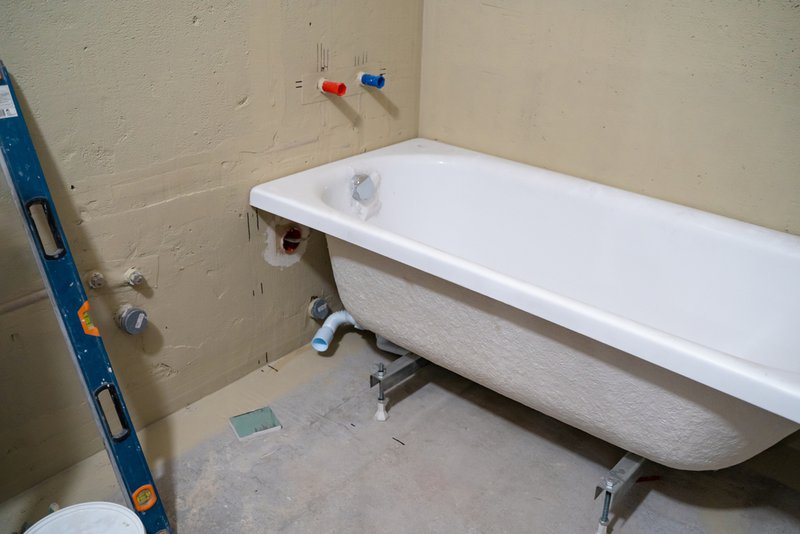
Skipping steps or rushing through prep to save time is one of the most consistent predictors of finish problems. Reglazers who treat surface preparation as a non-negotiable part of the process tend to produce results that hold up and look right from the first application.
Technique Adjustments That Reduce Texture Defects
Consistent gun distance and speed are habits that take time to build but make a measurable difference in finish quality. Holding the gun too far from the surface allows droplets to partially dry mid-air. Holding it too close floods the surface and causes runs rather than orange peel, but inconsistent distance throughout the pass creates uneven texture across the job.
Overlap between passes also affects the final result. Insufficient overlap leaves thin areas where the glaze does not build consistently, while too much overlap in one spot creates heavier material that behaves differently from the rest of the surface. Developing a steady, methodical pass pattern eliminates both problems. Reglazers who build these habits early rarely deal with the kinds of finish callbacks that come from preventable application errors.
Getting Consistent Results With the Right Products and Process
Avoiding orange peel comes down to controlling every variable that influences how glaze flows, levels, and cures. Gun setup, viscosity, environmental conditions, surface preparation, and application technique all play a role. Addressing each one systematically produces finishes that are smooth, consistent, and built to last.
At ISI Bathroom Systems, we distribute TopKote products designed specifically for professional application on bathtubs, shower bases, and tile surfaces. The TopKote system, including Crosslink III butyl primer and Low VOC Glaze topcoat, is engineered to support clean, reliable results when applied correctly.
Visit our shop to learn more about our products and offerings.


