



Walk-in bath spaces have become a defining feature in modern renovations. Homeowners are moving away from cramped layouts and bulky enclosures in favor of open, accessible designs that feel both comfortable and refined. For contractors, delivering these results requires thoughtful planning, smart material selection, and finishes that balance durability with visual appeal.
The most effective bathroom design tips focus on blending functionality and aesthetics. Walk-in bath areas must perform well under daily moisture exposure while still reflecting contemporary style. Achieving this balance starts with understanding layout, finishes, and the practical priorities that drive today’s remodeling decisions.
Start With Layout and Flow
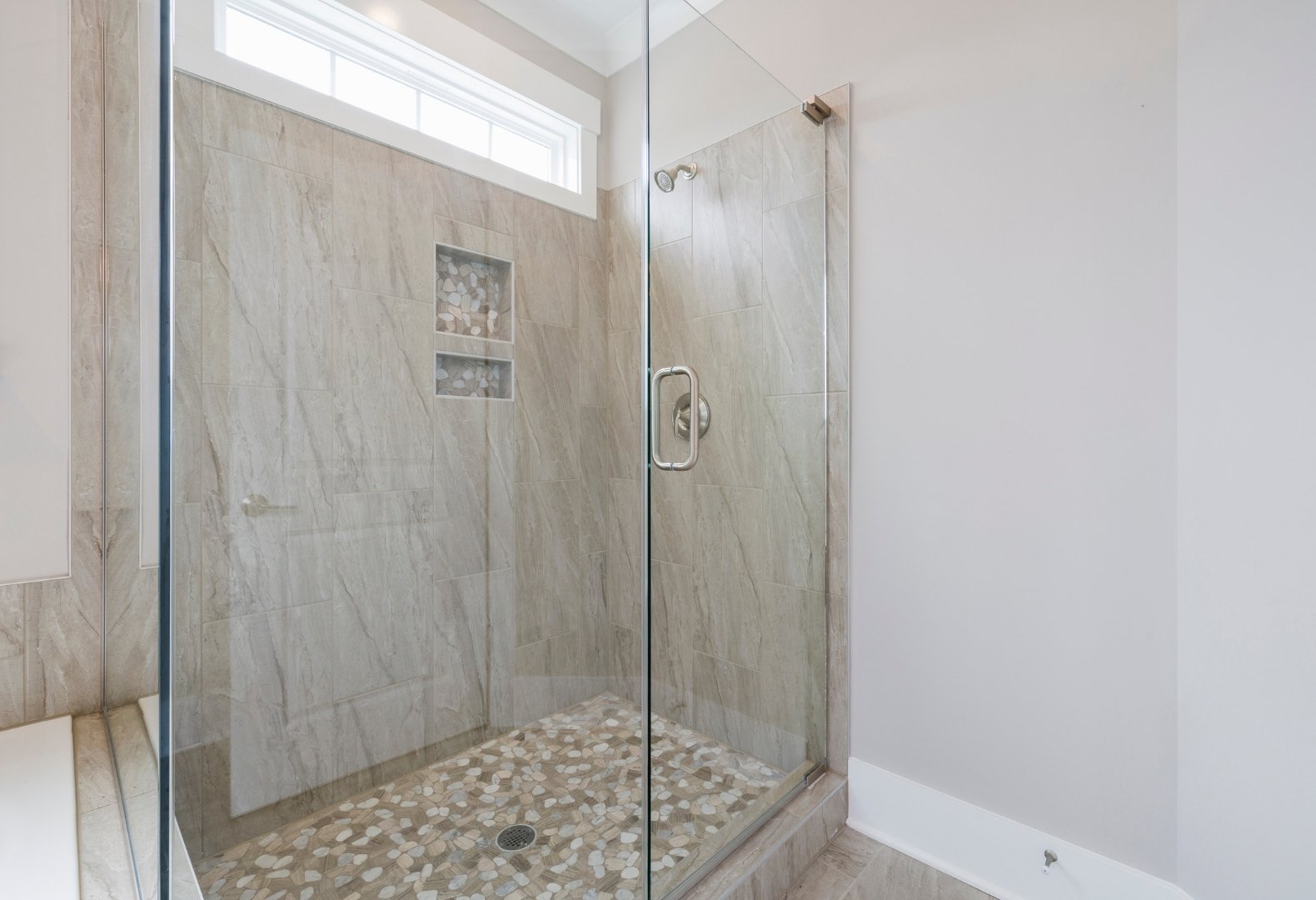
A successful walk-in bath design begins with spatial planning. Open-entry showers, standalone bathtubs, and minimal threshold transitions require careful measurement and a drainage strategy. The goal is to create a seamless flow without sacrificing water containment or structural stability.
Designers are prioritizing openness and accessibility in line with broader current bathroom design trends. These trends emphasize barrier-free entry, simplified lines, low-maintenance materials, and long-term durability. By aligning layout decisions with these expectations, contractors can create spaces that feel modern while remaining practical.
Clear pathways, properly positioned drains, and integrated storage solutions all contribute to an uncluttered appearance. When layout and function work together, the result is a walk-in bath space that feels expansive rather than constrained.
Choosing Standalone Bathtubs With Purpose
Standalone bathtubs often serve as focal points in walk-in bath designs. Their sculptural presence elevates the room, but finish selection plays a critical role in maintaining long-term appeal.
Glossy acrylic tubs reflect light and enhance brightness, while matte finishes offer a softer, contemporary tone. Contractors must consider not only appearance but also maintenance requirements. Some finishes resist staining and scratching better than others, which directly affects client satisfaction over time.
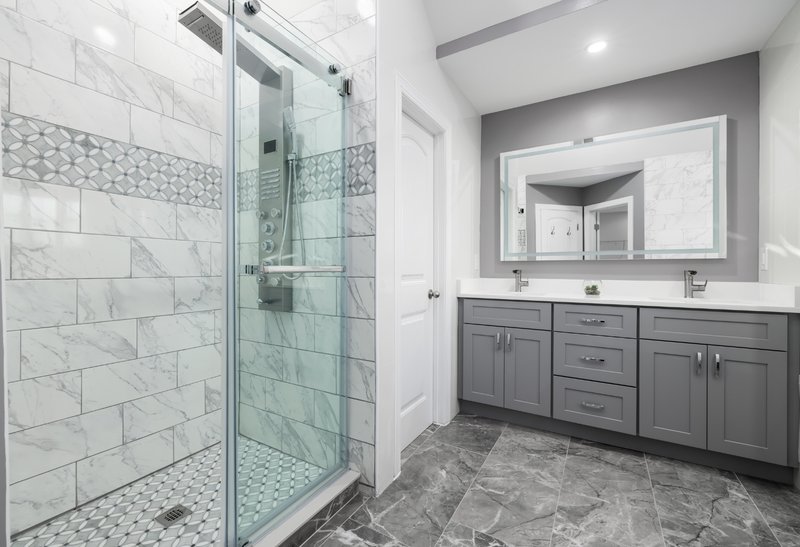
Knowing what homeowners value most helps guide these decisions. Clients increasingly seek finishes that maintain their appearance without constant upkeep. They appreciate materials that resist discoloration, minimize surface damage, and remain easy to clean. When contractors factor these priorities into material selection, they deliver results that align with both aesthetic goals and practical expectations.
A standalone tub should enhance the design without introducing unnecessary maintenance challenges. Durable finishes ensure the centerpiece of the space remains visually striking for years.
Elevating Walk-In Bath Spaces With Durable Wall Panels
Wall surfaces play a defining role in walk-in bath environments. Traditional tile offers design flexibility, but grout maintenance and installation complexity can create long-term concerns. Durable wall panels provide a streamlined alternative that maintains style while improving performance.
Modern acrylic and composite panels replicate tile patterns and stone textures with impressive realism. Their non-porous surfaces resist moisture penetration and reduce mold risk, making them well-suited for walk-in applications where water exposure is frequent.
Cost considerations also influence material selection. Rising bathroom remodeling costs have prompted homeowners to seek options that deliver visual impact without exceeding budget limits. Prefabricated wall panels often meet this need by reducing labor time and eliminating the need for extensive grout work. For contractors, these efficiencies translate into shorter project timelines and more predictable outcomes.
When wall panels are integrated thoughtfully, they complement standalone tubs and open shower designs while enhancing durability.
Lighting and Finish Coordination
Lighting enhances every material choice in a walk-in bath space. Natural light amplifies the depth of stone-inspired panels, while strategically placed fixtures highlight texture and color variation.
Contractors should consider how light interacts with surfaces throughout the day. Reflective finishes can brighten compact spaces, while subtle textures create dimension in larger rooms. Coordinating fixtures, hardware, and trim elements ensures that every component supports the overall design narrative.
Neutral palettes remain popular, yet accent features such as matte black fixtures or brushed brass hardware can introduce contrast. The key is maintaining cohesion between finishes, so the space feels intentional rather than pieced together.
Blending Accessibility and Luxury in Walk-In Bath Spaces
Walk-in bath designs often serve dual purposes. They improve accessibility while also elevating the bathroom’s visual appeal. Features such as built-in seating, low threshold entries, and strategically placed grab bars can be integrated seamlessly when design is prioritized from the beginning.
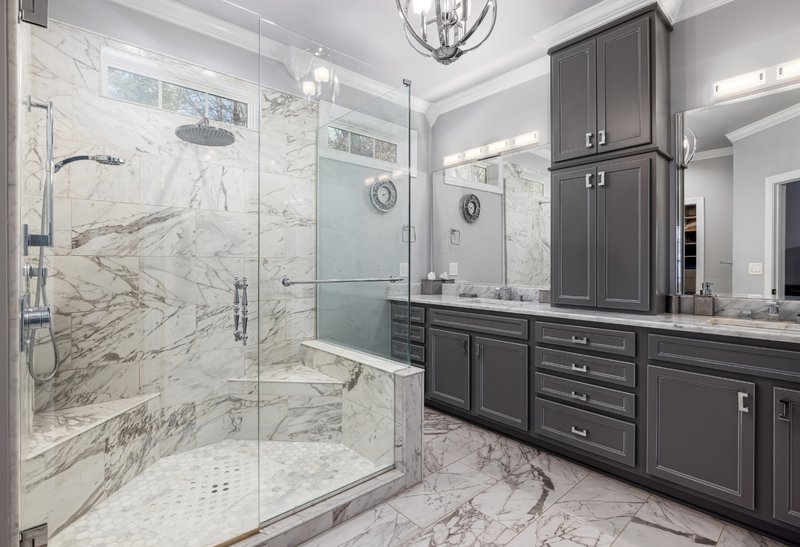
The misconception that accessible features compromise style no longer holds true. Modern manufacturing allows supportive elements to blend with contemporary aesthetics. Textured panels, integrated shelving, and minimalist hardware help maintain a high-end appearance.
By combining thoughtful layout with durable materials, contractors create environments that serve practical needs without sacrificing elegance.
Finishing Touches That Protect Long-Term Value
Surface durability determines how well a walk-in bath space holds up over time. Moisture, cleaning products, and daily wear place constant stress on finishes. Selecting materials designed for wet environments reduces the risk of deterioration.
Consistent maintenance requirements should be clearly communicated to homeowners. When clients understand how to care for their materials, they are more likely to remain satisfied with the final result.
Ultimately, successful walk-in bath spaces rely on finishes that perform as well as they look. Durable wall panels, resilient tub coatings, and coordinated fixtures ensure that style remains intact long after installation.
Expanding Walk-In Bath Spaces With Reliable Product Solutions
ISI Bathroom Systems understands the operational pressures contractors face. By offering acrylic wall systems, Sentrel, and TopKote Reglazing, we provide practical solutions that enhance style while protecting margins. Professionals looking to elevate their walk-in bath projects and expand their service capabilities are encouraged to visit our shop to explore additional products that support quality workmanship and long-term success, or reach out to learn more about what we offer.


