





When a refinished tub begins peeling, blistering, or discoloring within a year, the failure rarely happens without cause. In most cases, early breakdown in bathtub reglazing is not random and it is not the result of careless workmanship. It is usually tied to preparation gaps, environmental factors, or material limitations.
For bathroom contractors and professional reglazers, understanding these root causes is essential. Preventing premature failure protects client trust, reduces callbacks, and strengthens long-term profitability.
Surface Preparation Is the Foundation
Adhesion is everything in bathtub reglazing. The new coating bonds only as well as the surface beneath it allows. If contaminants remain on the tub, even high-quality coatings can struggle to adhere.
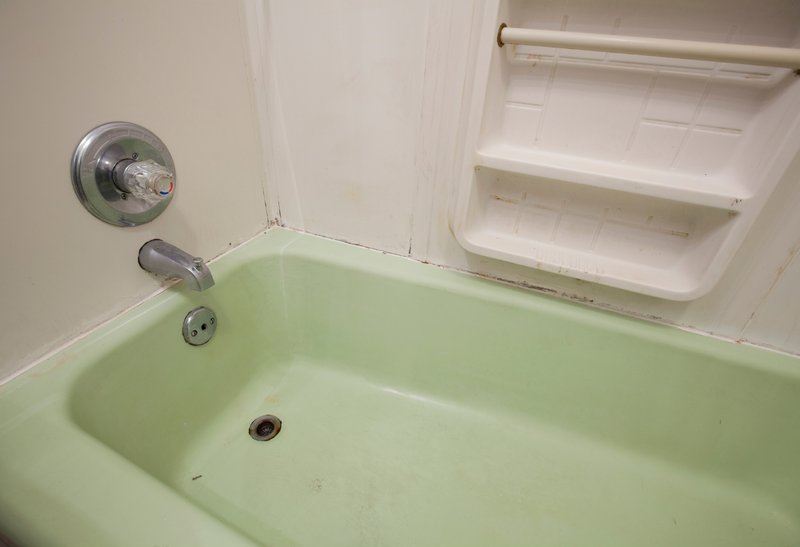
Common issues include soap residue, body oils, silicone contamination, and hard water deposits. These materials create invisible barriers that interfere with chemical bonding. Even minor oversights during cleaning can compromise performance months later.
Etching and sanding steps are equally critical. If the existing surface is not properly abraded, the coating lacks the mechanical grip needed for durability. Conversely, overly aggressive sanding can create uneven texture that affects finish quality.
Successful bathtub reglazing begins long before the coating is sprayed. It starts with disciplined preparation that creates the right surface profile for adhesion.
Environmental Conditions Matter More Than Many Realize
Temperature and humidity directly influence curing performance. Reglazing materials are engineered to cure within specific environmental ranges. When applied outside those parameters, the chemical reaction can be incomplete.
High humidity may trap moisture under the coating, leading to bubbling or delamination. Low temperatures can slow curing time, making the finish vulnerable to damage before it fully hardens. Poor ventilation can also affect solvent evaporation rates.
Contractors often work within existing homes where climate control varies. Recognizing environmental limits and adjusting scheduling accordingly prevents many early failures.
These environmental variables are rarely visible once the job is complete, yet they significantly influence the outcome.
Product Quality and System Compatibility
Not all reglazing materials are formulated equally. Lower-grade coatings may lack the adhesion promoters and durability enhancers required for heavy daily use. Inconsistent mixing ratios or incompatible primers can further weaken the system.
Professional-grade systems are engineered to work together as complete solutions. Primers, bonding agents, and topcoats are designed for chemical compatibility. This reduces variability and increases reliability.
The Topkote Reglazing Start-Up Kit provides contractors with an integrated approach to bathtub refinishing. The system is easy to learn and fast to use, helping professionals complete jobs efficiently while maintaining quality standards. For bathroom contractors and professional reglazers, Topkote is designed to make the job safer, easier, and more profitable.
Using a cohesive system rather than mixing unrelated components reduces the risk of adhesion issues that may not appear until months later.
Curing Time Is Not a Suggestion
One of the most misunderstood aspects of bathtub reglazing is curing time. A surface that feels dry to the touch is not necessarily fully cured.
Premature exposure to water, cleaning products, or heavy use can interrupt the curing process. Even a single shower taken too soon may compromise surface integrity.
Clear communication with homeowners is critical. Contractors should provide written guidance explaining when the tub can be used and which cleaners to avoid during the first weeks.
Protecting the curing window is just as important as the application itself. Many early failures trace back to rushed timelines rather than flawed technique.
Preventive Discipline Reduces Risk
Avoiding early breakdown requires structured process control. Instead of relying on memory or routine alone, professionals benefit from documented procedures.
A systematic inspection approach ensures that no detail is overlooked before, during, or after application. This includes checking for residual silicone, verifying environmental conditions, confirming proper sanding, inspecting spray equipment, and validating cure time instructions.
Developing and consistently following a checklist for what every contractor should inspect improves repeatability and reduces preventable mistakes. A checklist for what every contractor should inspect transforms refinishing from an art into a controlled process that supports long-term durability.
Consistency is what separates occasional success from dependable performance.
Addressing the Substrate Before Refinishing
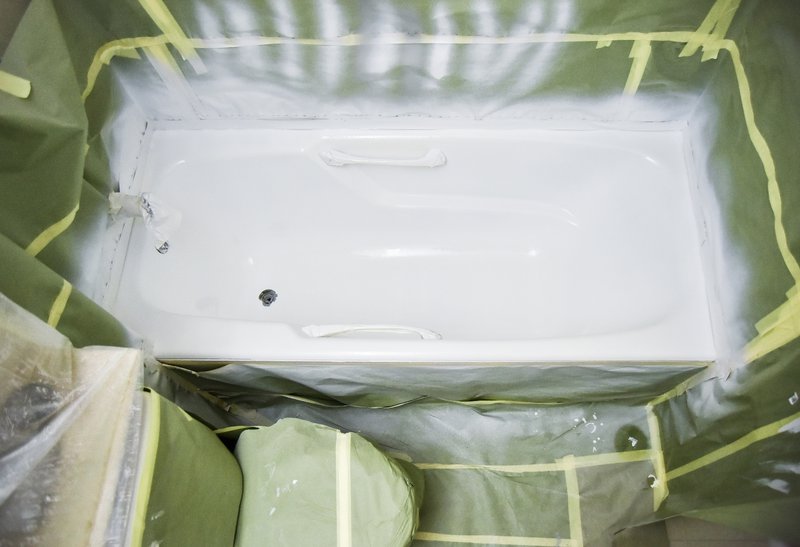
Some failures stem from underlying structural problems rather than coating issues. Rusting steel tubs, cracked fiberglass, or water-damaged subfloors can compromise the refinishing result.
Before applying any reglazing material, contractors should evaluate the integrity of the tub itself. Surface cracks, movement, or prior repair attempts must be stabilized first.
By resolving substrate concerns before coating, professionals eliminate hidden weaknesses that could lead to peeling or separation. Thorough evaluation protects both the project and the contractor’s reputation.
Educating Homeowners on Maintenance
Even a perfectly executed reglazing job can suffer if maintenance guidelines are ignored. Abrasive cleaners, suction cup bath mats, and harsh chemicals can damage the new surface prematurely.
Providing clear care instructions helps homeowners preserve the finish. Simple recommendations such as using non-abrasive cleaners and avoiding prolonged standing water can extend coating life significantly.
Education strengthens partnership. When homeowners understand how to care for the refinished surface, they become active participants in protecting their investment.
Engineered Reliability Matters
When bathtub reglazing fails within 12 months, the cause is typically rooted in preparation, environmental control, product quality, or curing discipline. Rarely is it random. By refining process standards and selecting reliable systems, contractors can dramatically reduce early breakdown.
Topkote reglazing systems are engineered for adhesion, durability, and professional application reliability. When used correctly, they support consistent results that withstand daily use.
ISI Bathroom Systems serves as a dependable partner for contractors and professional reglazers seeking proven materials that enhance efficiency and long term performance. For additional tools and complementary renovation products that strengthen every project, visit our shop and explore solutions designed to support modern refinishing work.


