




Few areas in a bathroom are more vulnerable to long-term water damage than tub-to-wall transitions. While tile patterns, fixtures, and finishes often receive the most attention, the small seam where the tub deck meets the wall system quietly determines whether a bathroom remains watertight for years.
For contractors focused on reducing callbacks, understanding the hidden risks within tub-to-wall transitions is essential. Moisture rarely announces itself immediately. It accumulates slowly behind surfaces, compromising substrates, framing, and insulation long before visible damage appears.
Why Tub-to-Wall Transitions Fail
The tub-to-wall joint experiences constant movement. Tubs flex slightly when filled with water or when a user steps in and out. Walls expand and contract with temperature changes. Even minor structural shifts can stress sealants and joints.
In traditional multi-piece tile installations, this transition typically includes backer board, waterproofing membranes, mortar, tile, grout, and caulk. Each layer introduces potential failure points. If any component is misapplied, moisture can migrate behind the surface.
Grout lines above the tub deck are particularly vulnerable. They absorb moisture over time, and if sealing schedules are ignored, water penetration accelerates. Once water bypasses surface protection, it can wick into framing materials.
Reducing the number of seams and joints is one of the most effective ways to lower risk in tub-to-wall transitions.
Common Installation Mistakes at the Joint
Even experienced installers sometimes underestimate how critical this connection is. Small shortcuts can produce significant long-term consequences.
One frequent issue is improper backer board placement. If the board stops too high above the tub flange, a gap forms that is later filled only with caulk. Without proper overlap or moisture barrier continuity, water can travel behind the wall system.
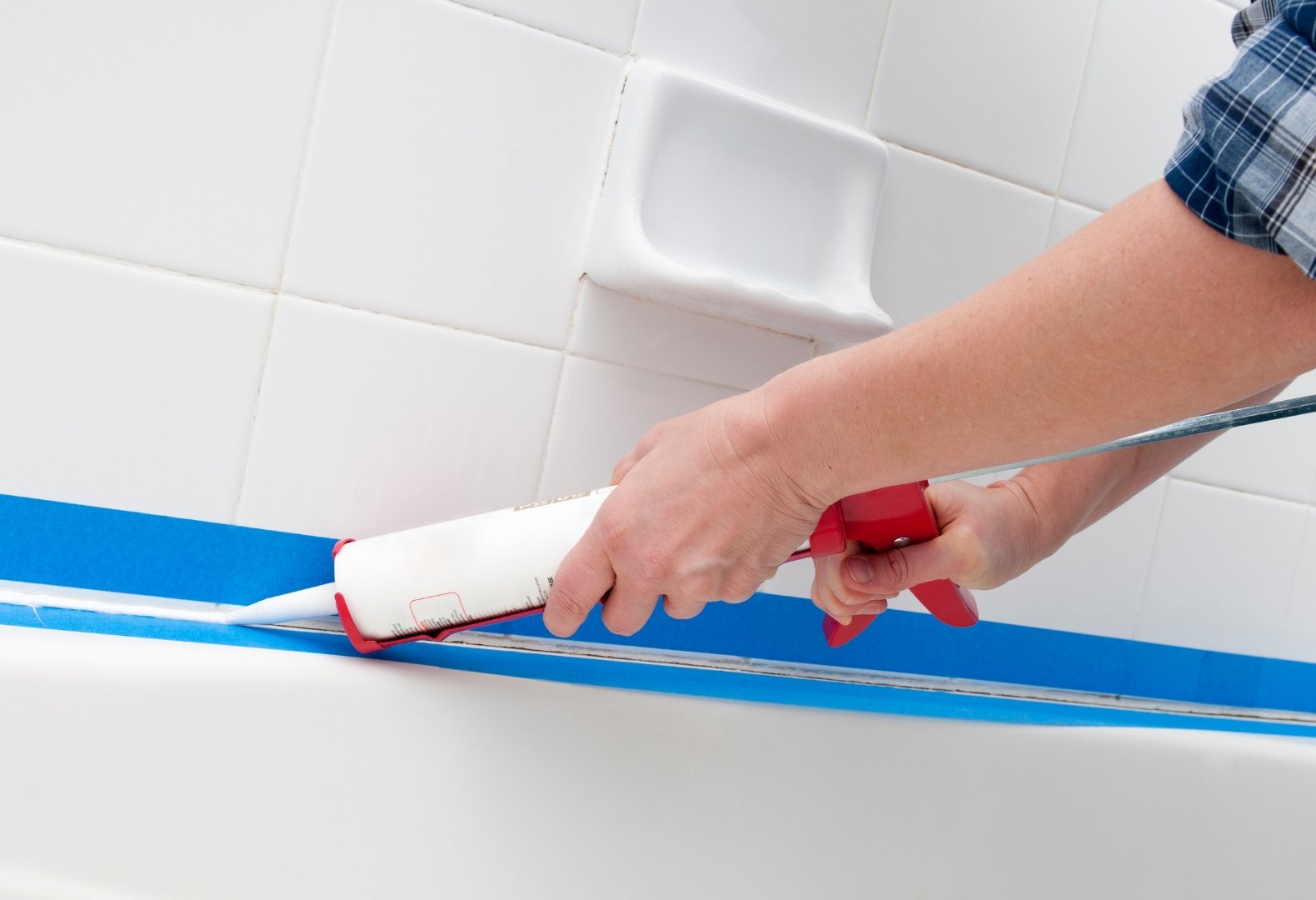
Another recurring mistake involves relying too heavily on surface sealant alone. Many callbacks trace back to using bathtub adhesive caulk incorrectly. This includes applying it to damp surfaces, failing to clean residue before installation, overfilling the joint without proper tooling, or neglecting to allow sufficient cure time before water exposure.
These errors compromise adhesion and flexibility. When caulk fails, water seeps into voids that were never designed to handle moisture. Avoiding using bathtub adhesive caulk incorrectly requires surface preparation, correct bead sizing, and manufacturer-compliant curing practices.
Contractors who treat caulk as a final cosmetic step rather than a functional moisture barrier increase their risk of future repairs.
The Role of High-Quality Sealants
Not all caulks perform equally under constant exposure to water and movement. Lower-grade products may shrink, crack, or lose elasticity prematurely.
Selecting high-performance, mildew-resistant, and flexible sealants supports durability at the most vulnerable joint in the installation. Proper tooling ensures tight adhesion to both the tub surface and wall panel.
When contractors choose professional-grade products and apply them correctly, they protect your bathroom from leaks that can lead to structural damage, mold growth, and costly remediation. High-quality sealants, installed with precision, help protect your bathroom from leaks and extend the life of the entire system.
This is not simply about aesthetics. It is about preserving substrate integrity and maintaining client trust.
Integrated Wall Systems Reduce Risk in Tub-to-Wall Transitions
Tile assemblies contain dozens or even hundreds of joints. Each grout line represents a potential moisture pathway. In contrast, integrated wall systems significantly reduce seams.
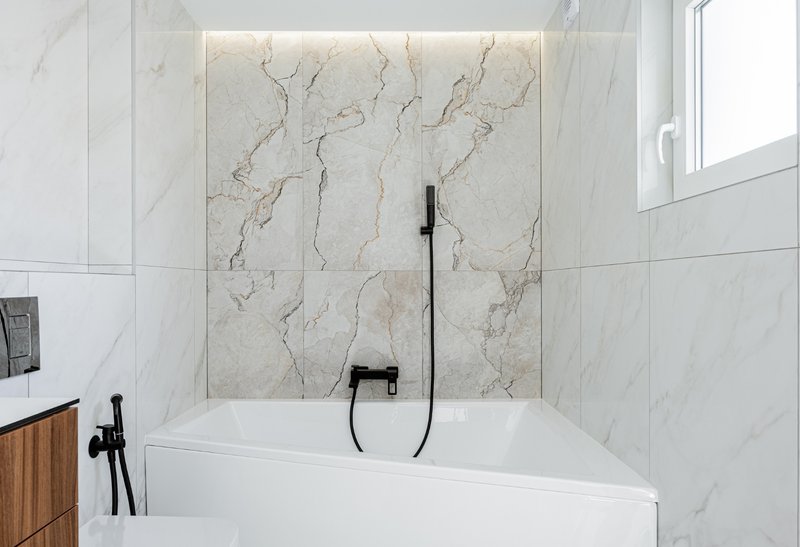
Large-format acrylic panels and engineered wall systems create broad, continuous surfaces. Fewer joints mean fewer opportunities for water intrusion. When panels are properly sealed at the tub flange, the transition becomes more controlled and predictable.
Instead of managing multiple material layers, contractors work with a unified system. This simplifies waterproofing details and reduces variability across installations.
Acrylic wall systems are engineered to minimize these risks. Their design reduces exposed seams compared to traditional multi-piece tile layouts, helping contractors maintain tighter control over moisture management.
Addressing Existing Tub Surfaces Before Installation
A successful tub-to-wall transition depends on the condition of the tub itself. Chips, surface deterioration, or previous repair attempts can interfere with proper adhesion.
Rather than replacing a structurally sound tub, contractors can refinish it before installing new wall panels. The Topkote Reglazing Start-Up Kit offers an all-in-one solution for bathtub refinishing that is both effective and cost-conscious. It is easy to learn and fast to use, making it practical for contractors and professional reglazers seeking to expand their service offerings.
By restoring the tub surface, contractors create a clean, properly prepared substrate for sealants and panel integration. This improves adhesion at the joint and enhances overall durability.
For professionals, incorporating refinishing capabilities reduces project waste and increases profitability while strengthening moisture control outcomes.
Installation Practices That Reduce Callbacks
Beyond material selection, disciplined installation habits prevent long-term failures.
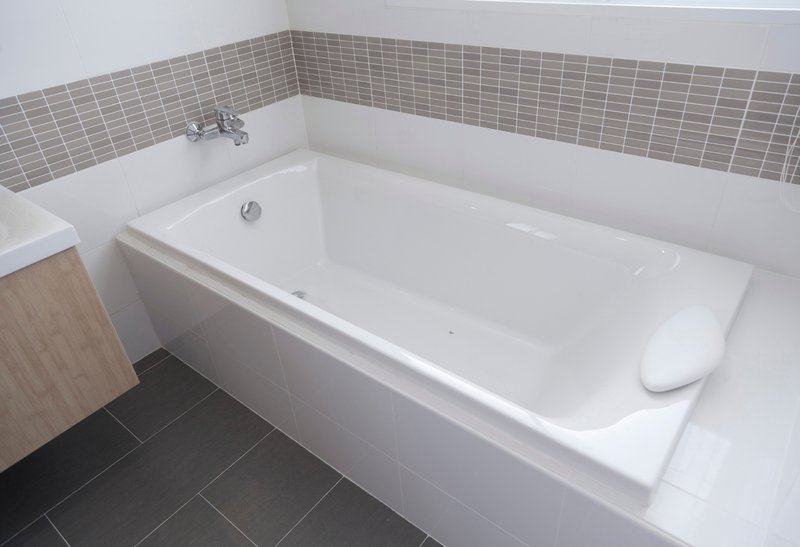
First, ensure the tub is level and properly supported before wall installation. Movement caused by inadequate support will stress the joint continuously.
Second, maintain consistent overlap between the wall system and tub flange. Proper alignment directs water back into the tub rather than behind the wall.
Third, conduct a controlled water test before project completion. Simulating real-world exposure allows contractors to identify weak points before handing over the space.
These preventive steps require time and precision, but they dramatically reduce the likelihood of return visits.
Long-Term Performance Is a System Decision
Moisture management at tub-to-wall transitions is not dependent on one product alone. It reflects a system approach that includes substrate preparation, wall panel selection, proper sealants, and disciplined workmanship.
Integrated wall systems reduce the complexity inherent in tile assemblies. Fewer seams, fewer joints, and fewer materials working against each other translate into lower moisture risk.
Contractors who prioritize system-based solutions position themselves as professionals focused on durability, not just appearance.
Engineered Protection for Tub-to-Wall Transitions
Tub-to-wall transitions remain one of the most common sources of hidden bathroom damage. Callbacks often stem from minor installation oversights that compound over time. By reducing seams, selecting high-quality sealants, restoring tub surfaces when necessary, and adopting integrated wall systems, contractors significantly lower the risk of moisture intrusion.
ISI Bathroom Systems’ wall systems are engineered to reduce water entry points, not merely enhance aesthetics. Their design supports long term performance by simplifying installation and minimizing vulnerable joints.
If you are looking for reliable materials that help control moisture risks while maintaining installation efficiency, visit our shop to explore additional solutions that strengthen every stage of the renovation process.


