



Bathrooms are no longer treated as isolated utility spaces. This year, bathroom design reflects broader shifts in construction efficiency, material performance, and long-term durability. Contractors are seeing increased demand for solutions that modernize spaces quickly while maintaining consistent quality across installations. Bathroom design is now closely tied to how effectively surfaces perform, how easily systems install on site, and how well finished spaces hold up under daily use.
The trends shaping current bathroom design place equal emphasis on appearance, labor efficiency, and material reliability. From wall systems that reduce installation time to refinishing solutions that extend the life of existing fixtures, bathroom design decisions are increasingly driven by performance and profitability as much as aesthetics.
Wall Systems and Fewer Grout Lines
One of the most visible design trends this year is the shift toward wall systems. Large-format wall panels and multi-piece systems are replacing traditional tile-heavy layouts, largely due to maintenance concerns and installation efficiency. Fewer grout lines reduce long-term staining issues and simplify cleaning, which has become a key selling point in both residential and multi-unit projects.
Sentrel Wall Systems and other rigid panel systems support this trend by offering a finished appearance without relying on tile or stone. These systems are not coatings and are not installed out of the box. Each panel must be measured, cut, and custom-fitted on site to ensure clean transitions around fixtures, corners, and trims. This customization aligns with modern bathroom design expectations while keeping installation timelines predictable.
Simulated tile wall systems also play a role in this trend. They provide the visual structure of tile while avoiding the maintenance issues associated with grout, supporting design consistency across projects with varying budgets.

Faster Turnarounds Without Compromising Finish Quality
Speed continues to shape bathroom design decisions this year, but not at the expense of finish quality. Property owners and managers increasingly expect bathrooms to be completed in compressed timelines, especially in rental, hospitality, and resale-driven renovations.
This has elevated the role of reglazing and wall system installations that minimize demolition. Reglazing allows existing bathtubs, shower bases, and tiled surfaces to align with modern bathroom design updates without removing fixtures. When performed correctly using professional glazing systems, reglazing delivers a uniform finish that supports contemporary color palettes and surface expectations.
Wall systems contribute to faster turnarounds by reducing the number of installation steps compared to tile assemblies. Fewer materials, less curing time, and simplified surface prep allow bathrooms to return to service faster, which directly influences project profitability.
Neutral Palettes With Subtle Texture
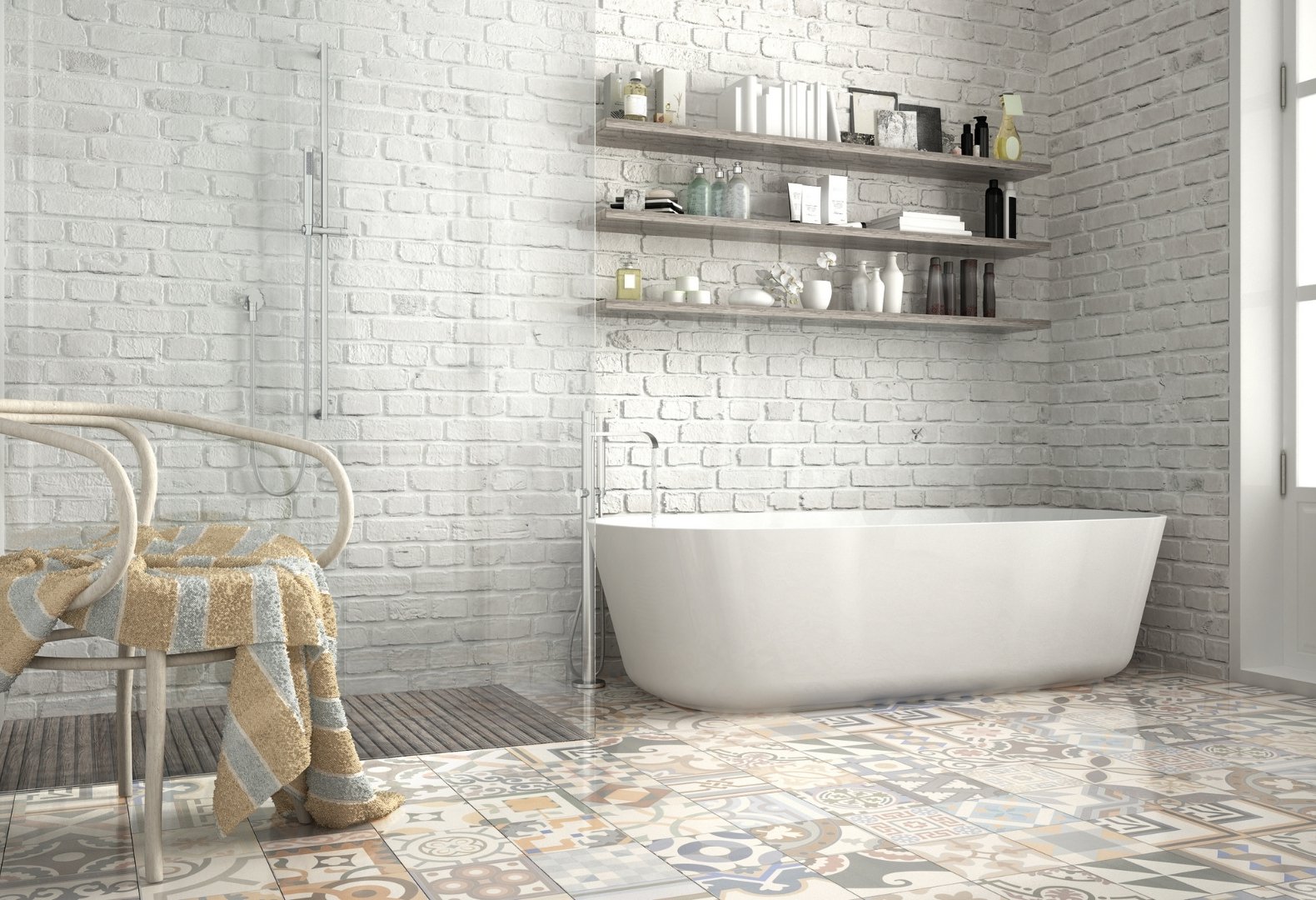
While bold finishes had their moment, bathroom design in 2026 leans toward neutral tones with subtle surface texture. Soft whites, warm grays, and matte finishes dominate, offering versatility across different property types. Texture now comes from surface design rather than grout patterns or decorative tile layouts.
Rigid wall panels and acrylic wall systems support this trend by delivering consistent texture across large surface areas. These systems allow bathrooms to feel modern and intentional without visual clutter. When paired with reglazed tubs and bases in complementary finishes, the entire space appears cohesive rather than pieced together over multiple renovation phases.
This trend reinforces the importance of finish consistency. Mismatched surfaces stand out more in minimalist bathroom design, increasing the value of systems that work together visually and structurally.
Design Continuity Through Refinishing
Design continuity is becoming a defining element of bathroom design this year. Rather than replacing every surface, projects increasingly focus on aligning old and new elements through refinishing and system upgrades.
TopKote reglazing materials are designed specifically for bathtubs, shower bases, and tile. When paired with proper surface preparation, reglazing allows older fixtures to visually integrate with new wall systems and modern hardware. This avoids the cost and disruption of fixture removal while still achieving a contemporary look.
This approach supports budget-conscious renovations without compromising design intent. Bathrooms can adopt modern design trends while extending the usable life of existing components, a balance that continues to influence purchasing decisions.
Simplified Maintenance as a Design Feature
Maintenance considerations now influence bathroom design decisions as much as visual appeal. Smooth surfaces, fewer seams, and durable finishes reduce long-term upkeep and support cleaner aesthetics over time.
Wall systems eliminate many of the problem areas associated with grout-based installations. Reglazed surfaces restore smoothness to worn tubs and tile, reducing surface porosity and staining. Together, these solutions position maintenance reduction as an intentional design choice rather than an afterthought.
This trend has particular relevance in multi-unit and commercial environments, where maintenance efficiency directly impacts operating costs.
Custom Fit Over Standardized Assembly
Standardized kits are losing favor as bathroom layouts become more varied. In 2026, bathroom design prioritizes systems that can be adapted on site to fit unique dimensions, plumbing configurations, and structural constraints.

Sentrel Wall Systems, acrylic walls, and simulated tile systems are all custom-fitted during installation. This flexibility allows projects to maintain design consistency even when dealing with irregular walls or older structures. Reglazing complements this approach by adapting existing fixtures to updated design goals without forcing replacement.
Custom fit solutions support cleaner final results and reduce the compromises often associated with prefabricated, one-size assemblies.
Design Decisions That Protect Margins
Behind every design trend is a practical consideration: margin protection. Bathroom design choices increasingly reflect the need to control labor hours, material waste, and callbacks.
Wall systems reduce installation complexity. Reglazing minimizes demolition and disposal costs. Reliable primers and glazes reduce the risk of adhesion failure. Together, these elements allow bathroom design upgrades to align with predictable project outcomes.
This trend reinforces the value of using systems designed for professional application rather than generic alternatives that introduce risk.
Conclusion
This year’s bathroom design trends reward strategic material selection and system compatibility. Projects benefit when wall systems, glazing materials, and surface finishes work together to support both design intent and installation efficiency.
To explore wall systems, reglazing materials, and related products that support these design trends, visit our shop to learn more about our products and offerings.


