




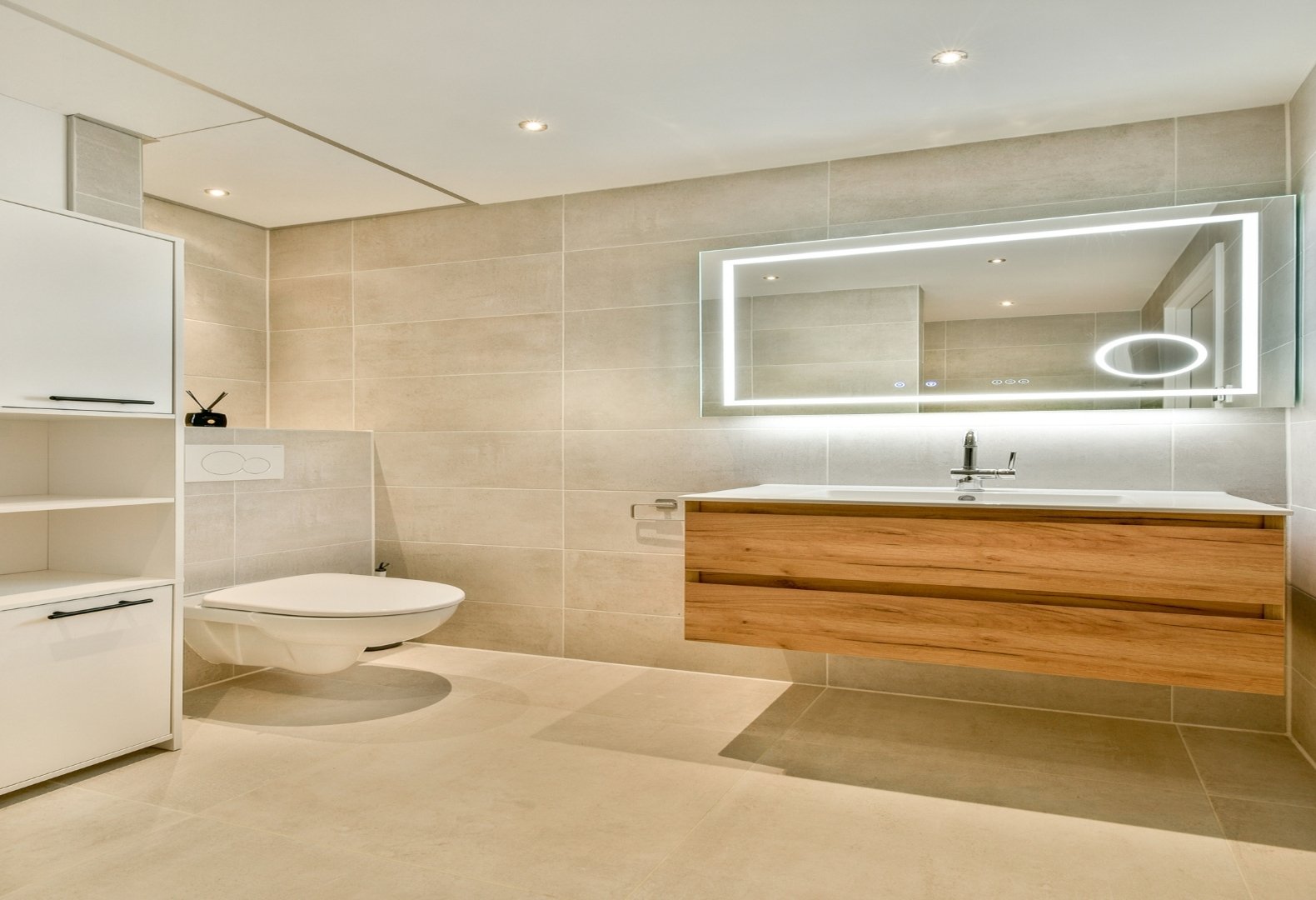
Knowing when to recommend simulated tile wall systems over traditional tile can define the success, speed, and profitability of any bathroom installation. Both materials deliver attractive finishes, but their performance, maintenance, and labor demands differ significantly. The decision is not simply a matter of appearance, but about matching the right product to the right project conditions.
Why Simulated Tile Wall Systems Have Gained Momentum
The demand for simulated tile wall systems has grown as contractors seek faster, cleaner installations without sacrificing appearance. These wall systems combine rigid polymer panels with embossed grout lines that mimic the texture and depth of ceramic tile. Once installed, they create a seamless, waterproof surface that is easier to maintain than real tile.
The result is a surface that resists mold, water damage, and discoloration, reducing maintenance costs for property owners and warranty claims for contractors. These benefits make simulated tile ideal for projects that require visual appeal, speed, and long-term durability.

When to Recommend Simulated Tile Wall Systems
Simulated tile wall systems excel in projects where performance, speed, and consistency take priority. They offer distinct advantages in the following situations:
1. Multi-Unit Renovations and Commercial Projects
In large-scale renovations such as hotels, apartments, or senior living facilities, installation efficiency directly affects profitability. Simulated tile can minimize labor hours, reduce cleanup, and maintain a consistent appearance across dozens of units. The absence of grout means no cracking, discoloration, or future regrouting costs, making them ideal for high-traffic or frequently used bathrooms.
2. Moisture-Prone Environments
Bathrooms, locker rooms, and shower enclosures require materials that resist humidity and temperature fluctuations. Traditional grout can absorb moisture and develop mildew over time. Simulated tiles provide a solid, nonporous surface that eliminates this risk, ensuring long-term protection against leaks and mold growth.
3. Tight Project Timelines
For projects with strict schedules, simulated tile wall systems offer a clear advantage. Panels can be cut and fitted quickly, with no drying or curing time required. This allows projects to move from demolition to completion within days instead of weeks. The reduction in downtime is particularly valuable for property managers or facility operators looking to minimize disruption.
4. Uneven or Damaged Substrates
Older bathrooms often have uneven walls or deteriorated backer materials. Simulated tile wall systems can be installed over these surfaces with minimal repair work, provided they are stable and dry. This adaptability saves both time and material costs compared to retiling, which often requires extensive substrate rebuilding.
5. Budget-Conscious Clients Seeking High-End Appearance
Many clients desire the look of tile without the associated maintenance or expense. Simulated tiles deliver a refined appearance at a lower overall cost, offering a practical balance between budget and quality. They allow installers to deliver a premium finish without exceeding project budgets.
These strengths make simulated tile wall systems an excellent recommendation for the majority of renovation and retrofit projects, especially those prioritizing speed and consistency.
When Not to Recommend Simulated Tile Wall Systems
Although simulated tile wall systems perform exceptionally well in most applications, they are not always the right fit. There are scenarios where traditional tile provides advantages that wall panels cannot replicate.
1. Complex or Irregular Layouts
Bathrooms with curved walls, custom-built niches, or irregular surfaces may require extensive cutting and seaming to fit simulated tile panels. In such cases, real tile offers greater flexibility for shaping around tight or angled areas, allowing for precise customization.
2. High-End Custom Design Requirements
Projects emphasizing intricate mosaics, decorative borders, or specific tile patterns benefit from the design freedom of ceramic or porcelain tile. While simulated tile wall systems provide a clean, elegant look, they cannot replicate the endless variety of textures and materials available with custom tilework.
3. Exposed High-Heat Areas
Although simulated tile wall systems are heat-resistant, they should not be installed directly adjacent to open flame or high-heat appliances. Traditional tile remains the safer option in areas near fireplaces, saunas, or industrial kitchen environments.
4. New Construction Requiring Full Customization
In completely new builds where time constraints are minimal and full design flexibility is desired, tile allows the builder to match other architectural materials and finishes precisely. For some clients, the tactile and aesthetic qualities of real tile justify the additional labor and cost.
Knowing these exceptions helps installers make informed recommendations and maintain client trust. Offering a balanced perspective ensures that the material selection aligns with both the design intent and the project’s functional requirements.

Comparing Installation Efficiency and Long-Term Performance
Efficiency and longevity are where simulated tile wall systems truly distinguish themselves. A traditional tile installation involves multiple trade steps, including waterproofing, grouting, and finishing, each of which can lead to delays. In contrast, simulated tile panels can be fitted, sealed, and completed by a single installer within a day or two.
From a performance standpoint, the difference is equally significant. Simulated tiles resist cracking, maintain color uniformity, and require little upkeep beyond basic cleaning. With no grout lines to stain or seal, the system preserves its original finish for years, even in high-use areas.
For contractors, this translates to:
- Faster job turnaround times.
- Lower labor costs.
- Reduced warranty claims related to water or grout failure.
- Consistent quality control across multiple projects.
Traditional tile, however, may still hold an edge in niche markets where customization defines value, such as high-end residential bathrooms or boutique commercial properties. In those cases, the craftsmanship and variation of tile can appeal to clients who prioritize artistry over efficiency.
Balancing Function, Form, and Client Expectations
The decision between tile and simulated tile depends on the project’s priorities. Installers who evaluate the functional, environmental, and aesthetic requirements of each job can recommend the right material confidently. Simulated tile wall systems make the strongest case in projects demanding low maintenance, uniform quality, and installation efficiency.
However, the value of tile remains undeniable in applications emphasizing design freedom and intricate detailing. The most skilled professionals know how to assess these distinctions and align product recommendations with client goals.
Choosing Materials That Support Professional Results
Simulated tiles simplify the installation process while enhancing durability and consistency. When used appropriately, they outperform traditional tile in both efficiency and longevity. Each project should begin with a clear understanding of the installation conditions, client expectations, and design constraints. Selecting the right material from the outset ensures reliable results and client satisfaction.
For high-quality simulated tile wall systems, Sentrel, and professional-grade accessories engineered for precision installation, visit our shop to learn more about our products and offering.


